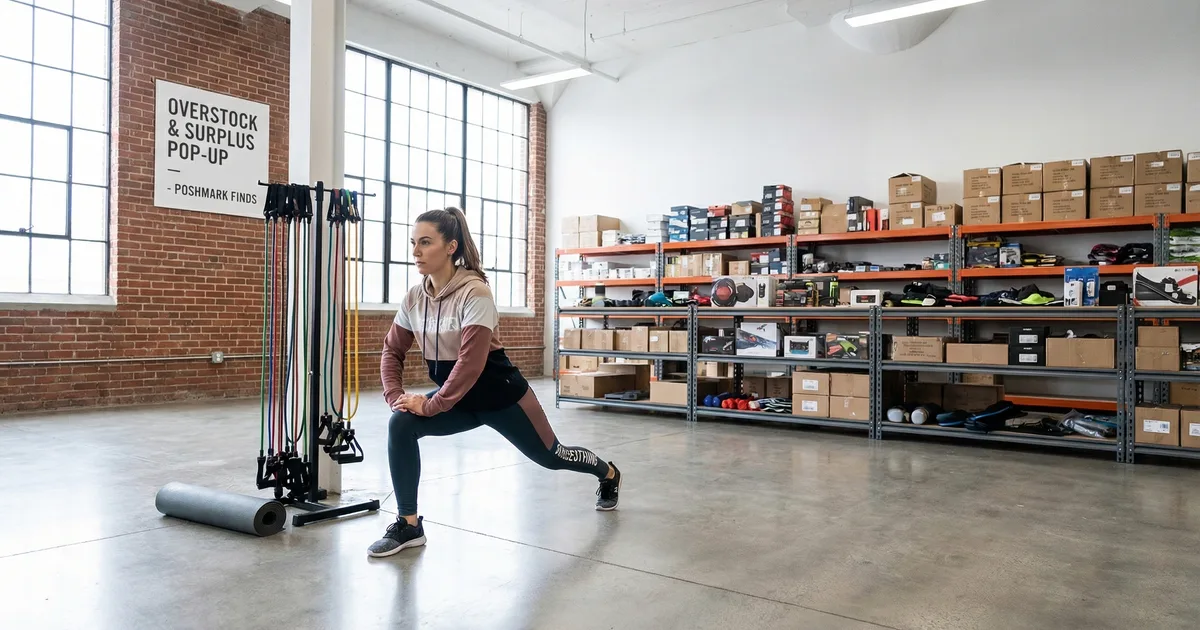
Poshmark Review: Online Alternative to Surplus & Overstock Stores
Overview
Poshmark is an online marketplace that caters primarily to fashion enthusiasts looking to buy and sell secondhand and surplus clothing and accessories. Founded in 2011, the platform has grown to serve millions of users, making it a popular choice for those seeking budget-friendly fashion options while promoting sustainability through the resale of items. Poshmark allows users to shop directly from individual sellers, enabling a unique shopping experience that emphasizes community interaction.
Key Features
- Posh Parties: Poshmark hosts virtual events called Posh Parties, where sellers can list items and buyers can browse specific themes, creating a fun and interactive shopping experience.
- Seller-Friendly Tools: The platform provides various tools for sellers, including shipping labels, promotional features, and the ability to share listings easily, making it simple to reach potential buyers.
- Diverse Inventory: Users can find a wide range of fashion items—from high-end designer pieces to everyday wear—catering to various styles and budgets.
- User Reviews: Buyers can leave reviews and ratings for sellers, helping to establish trust and quality assurance within the marketplace.
- Mobile App: Poshmark’s mobile app allows users to shop and sell on-the-go, providing a convenient shopping experience right from their smartphones.
Pros and Cons
Pros
- Focused on fashion and accessories
- Community interaction through Posh Parties
- Seller-friendly features that simplify the selling process
- Wide variety of items available
- Mobile app for convenient shopping
Cons
- Higher fees for sellers (20% commission on sales over $15)
- Limited to fashion items only
- Quality of items varies significantly by seller
- Shipping costs can deter some buyers
- Returns are not always accepted
Pricing
Poshmark is free to join and list items for sale, making it accessible for anyone looking to declutter their closet or shop for unique fashion finds. However, sellers should be aware that Poshmark charges a fee for sales: a flat fee of $2.95 for sales under $15, and a 20% commission for sales over $15. While buyers can find great deals, sellers need to factor in these fees when pricing their items.
How It Compares to Local Surplus & Overstock Stores
When comparing Poshmark to local surplus and overstock stores, several factors come into play. Online shopping through Poshmark offers convenience and accessibility, allowing users to browse a vast inventory from the comfort of their homes. This is especially advantageous for those who may not have easy access to physical stores or prefer to shop during off-hours.
On the other hand, visiting local surplus stores provides the opportunity to inspect items in person, ensuring quality and fit before making a purchase. Additionally, local stores often support the community directly, which can be a significant draw for consumers who prioritize local businesses. The tactile experience of shopping in person, combined with the ability to discover hidden gems, can be more satisfying for some shoppers.
While Poshmark excels in offering a niche fashion marketplace, its limitations in terms of item variety and the varying quality of listings can make local stores a more reliable option for buyers interested in a broader range of products.
Verdict
Poshmark is an excellent platform for fashion enthusiasts looking to buy or sell secondhand items, particularly those who enjoy the community aspect and the convenience of online shopping. It's especially suited for individuals who are comfortable with the potential variability in item quality and the seller fees. However, if you prefer the experience of physically browsing through items, ensuring quality firsthand, and supporting local businesses, visiting local surplus and overstock stores may be the better choice.
Prefer Local? Browse Our Directory
Support local surplus & overstock stores in your area.
Find Local Businesses