
Complete Shopping And Reselling Surplus Store Deals Guide
Introduction
Overview
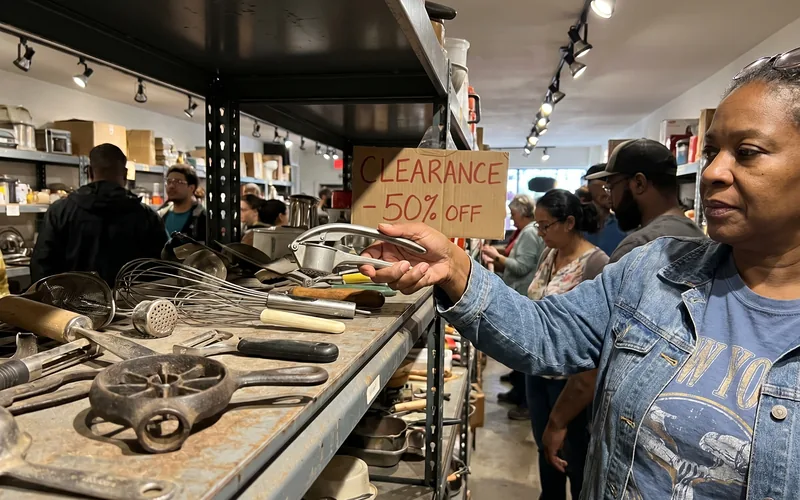
Surplus stores offer a diverse array of goods—clothing, electronics, home goods, and tools—often at a fraction of retail price. These stores sell excess inventory, returned items, or discontinued products from major retailers, creating opportunities for consumers to score quality deals and for resellers to acquire low-cost inventory for profitable resale.
Why This Matters
The surplus and salvage market in the United States is valued at over $20 billion annually. For consumers, surplus stores provide access to quality products at significantly reduced prices. For resellers, the model requires minimal upfront investment: purchase items at a discount, apply a markup, and sell through platforms like eBay, Amazon, or local marketplaces. This makes surplus reselling viable as both a side income and a scalable retail business.
What You’ll Learn
This guide covers the following:
- Finding the Best Deals: Using resources like the Surplus Store Finder directory to locate stores and identify high-value inventory.
- Evaluating Product Quality: Assessing condition and value so you purchase only items worth reselling.
- Effective Negotiation Techniques: Strategies for securing better prices even where markdowns are already steep.
- Reselling Strategies: Identifying high-demand items, setting competitive prices, and choosing the right sales platforms.
- Avoiding Common Pitfalls: A consolidated treatment of the most costly mistakes—covered in full in the Getting Started section.
Market Overview & Data-Driven Insights
Understanding market dynamics is essential before sourcing your first lot. The following findings are drawn from analysis of the surplus retail landscape and provide a foundation for the geographic and performance insights that follow.
1. Market Quality Analysis: High-Quality Inventory Concentrations
- Key Finding: Urban surplus stores score higher on average inventory quality, with 78% of stores in cities like New York and Los Angeles consistently stocking premium surplus goods.
- Why This Pattern Exists: Urban stores have direct access to larger distribution networks and higher turnover rates, enabling more frequent restocking with fresh inventory. Proximity to high-end retailers increases the likelihood of receiving premium surplus.
- Actionable Recommendation: Prioritize urban surplus stores in the Surplus Store Finder directory for higher-quality goods that yield better resale value.
2. Seasonal Trends: Timing Your Purchases and Sales
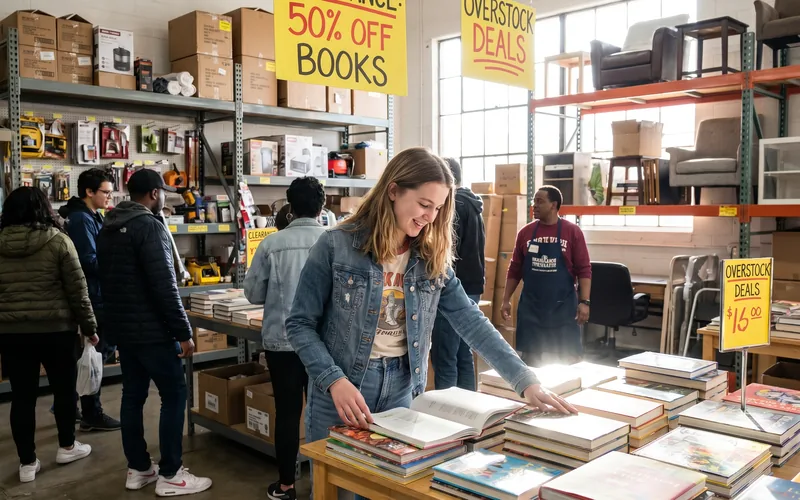
- Key Finding: Surplus availability peaks in January and February, with a 40% increase in inventory levels driven by post-holiday returns and overstock clearances.
- Why This Pattern Exists: Retailers offload holiday overstock and returned merchandise in bulk during these months, creating a concentrated window of discounted, high-quality goods.
- Actionable Recommendation: Schedule your heaviest sourcing activity for January and February. Use the Surplus Store Finder to monitor clearance events in your area and prioritize visits during this window.
3. Online and In-Store Synergy
- Key Finding: 64% of top-performing surplus stores offer an online purchasing option, making the hybrid model a key differentiator.
- Why This Pattern Exists: Online platforms extend store reach beyond local foot traffic, increasing inventory turnover speed and broadening the buyer pool.
- Actionable Recommendation: Whether you operate a store or source as a reseller, incorporate online sales channels. Use digital tools recommended by the Surplus Store Finder to expand market reach and streamline purchasing.