Celebrity Surplus Store Finds: Inspiration from the Stars
Have you ever wondered where celebrities actually shop when the cameras are off?
Turns out, a lot of them are hitting surplus and thrift stores just like the rest of us, and they are not shy about it anymore. Macklemore made an entire anthem about it. Kristen Bell has talked openly in interviews about her love of discount shopping and why she does not see the point in paying full retail when the same quality exists at a fraction of the price. Sarah Jessica Parker, despite playing the glamorous Carrie Bradshaw for years, has mentioned her own history of thrift store hunting in New York City during her early career. These are not obscure celebrities either. They are major cultural figures, and when they talk about surplus and secondhand shopping, people listen. This article is about what they find, why they do it, and how you can replicate that same experience at a surplus store near you, using our directory to help you find the best options in your city.
Why Celebrities Shop Surplus: The Trend Behind the Headlines
Something shifted in the culture around 2012 or so. Secondhand shopping went from being something people quietly did to something people bragged about. And celebrities were part of that shift in a real way.
Part of it is environmental. Fast fashion has taken a serious beating in public perception, and a lot of high-profile people have made a point of distancing themselves from it. Buying surplus or secondhand means you are not adding to the demand for new production, not contributing to textile waste, and generally making a choice that feels better when you think about it for more than ten seconds. That angle resonates with celebrities who have big platforms and care about how they use them.
But honestly? A bigger part of it is just the thrill. Surplus shopping is exciting in a way that walking into a regular retail store simply is not. You do not know what you will find. You could walk out with a barely-used piece of designer furniture for forty dollars, or a box of brand-new kitchen tools still in their original packaging, or a military-grade jacket that would cost three hundred dollars anywhere else. That unpredictability is addictive, and it appeals to the same instinct that makes people love treasure hunts.
Macklemore's "Thrift Shop" was not just a catchy song. It was a cultural permission slip for a lot of people who had been quietly doing this kind of shopping but felt embarrassed about it. After that song, the social stigma around surplus and discount stores started collapsing fast. Sales at secondhand retailers jumped. New customers who had never set foot in a surplus store started showing up. And the stores themselves started stocking better, more varied inventory to meet demand.
Celebrity endorsement works partly because it signals that something is socially acceptable, even desirable. When someone famous and stylish talks about finding a great coat at a surplus store, it reframes the whole experience. It stops being about "I couldn't afford the real thing" and starts being about "I found something no one else has." That's a powerful reframe, and it has genuinely changed how millions of shoppers think about these stores.
Surplus stores carry a mix of overstock, liquidation merchandise, returned goods, and sometimes government or military surplus. Unlike traditional thrift stores, where everything has been previously owned, surplus stores often carry brand-new items that were never sold, still in original packaging. That distinction matters a lot when you're hunting for quality finds.
What Celebrities Actually Find at Surplus Stores
Let's get specific, because "surplus store finds" can mean a hundred different things depending on where you shop and what you're looking for.
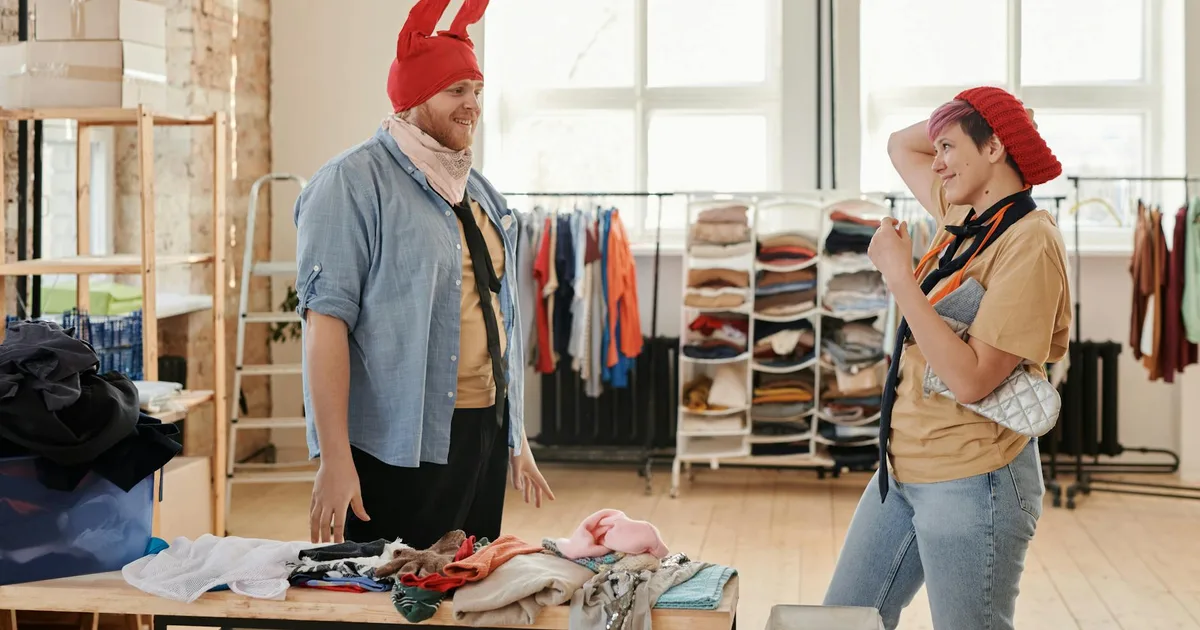
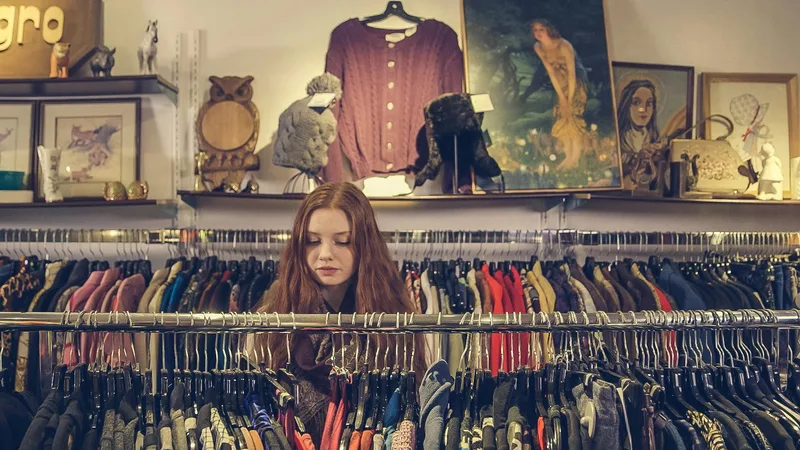
Vintage clothing and accessories are the most talked-about category. This makes sense. Celebrities who care about having a unique wardrobe know that surplus and secondhand stores are one of the few places left where you can find genuinely one-of-a-kind pieces that no one else will show up wearing. We're not just talking about old T-shirts, either. Surplus stores that carry liquidation merchandise from department stores or designer outlets sometimes have racks of brand-new clothing with original tags still attached, items that never sold and got bundled into a liquidation lot. Finding a blazer or a pair of boots in that category feels like winning the lottery.
Home décor is another big one. Rare furniture pieces, vintage lamps, interesting wall art, ceramic pieces from defunct brands, mid-century items that were never going to stay in production. Celebrities like Joanna Gaines (who has talked about hunting flea markets and surplus-style sales for her design projects) know that you cannot find character pieces like these at IKEA. You have to go looking.
Collectibles and electronics show up more often than people expect. Surplus store inventory can include returned electronics, overstock gadgets, outdated tech that still works perfectly, and collectible items that ended up in liquidation lots from estate sales or retail closeouts. A friend of mine once found a sealed first-edition board game at a surplus store for three dollars. It was worth considerably more than that.
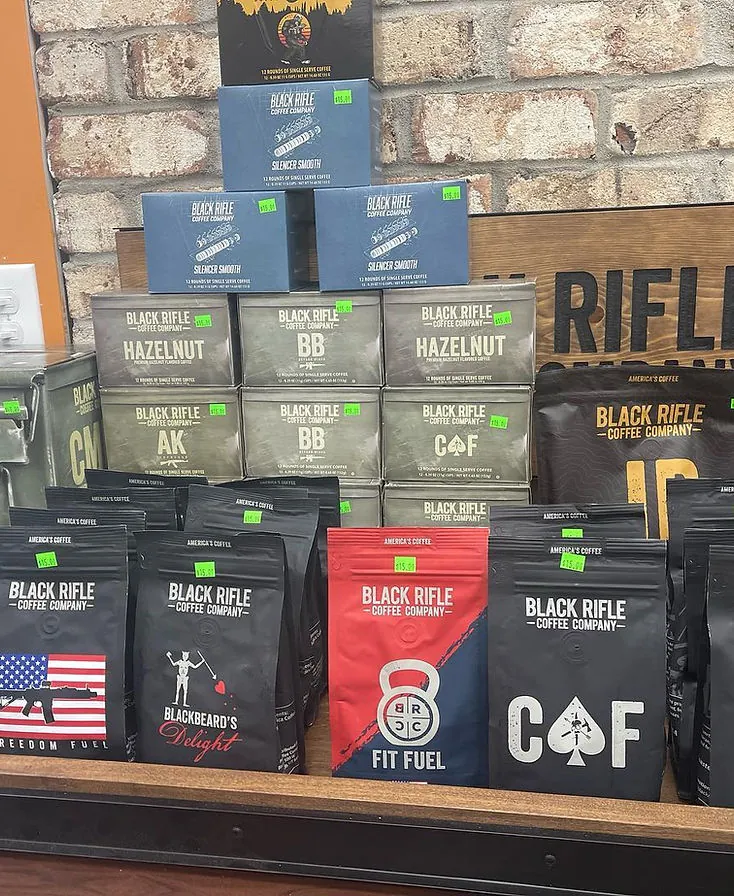
Military surplus gear is its own category entirely, and it has a devoted following. Think tactical gear, heavy-duty clothing, camping and survival equipment, boots that outlast anything you'd find at a regular outdoor store. Celebrities like Bear Grylls have essentially built a public image around this kind of gear, and plenty of actors, musicians, and athletes shop military surplus specifically because the quality is extraordinary and the prices are nowhere near what comparable civilian gear costs.
And then there's designer overstock. This is the category that surprises new surplus shoppers most. When a major retailer overbuys inventory and needs to move it fast, those goods end up in liquidation channels that eventually reach surplus stores. Brand-new, sometimes still-tagged items from recognizable brands. You have to be lucky and you have to show up regularly, but it happens.
How to Shop Like a Celebrity at Your Local Surplus Store
There is actually a right and a wrong way to approach surplus shopping, and most first-timers do it wrong.
Arrive early. This is the single most important thing. Surplus stores get new inventory constantly, but the best stuff moves fast. Seriously, the really good finds are often gone within a day or two of hitting the floor. If you're showing up on a Saturday afternoon hoping to pick through what's left, you're already behind. Go on a weekday morning if you can. Go right when they open. Build a relationship with staff and ask when new shipments come in.
Visit regularly. This is related to the first point but it's worth saying separately. Surplus stores are not like regular retail where the same inventory sits on the shelf for months. Inventory turns over constantly, sometimes weekly, sometimes faster. A store that had nothing interesting last Tuesday might have an incredible haul this Thursday. Regular shoppers who come in two or three times a week consistently find better stuff than occasional visitors who show up once a month.
Know what you're looking at. Liquidation merchandise, overstock, and returned goods are three different things with different quality profiles. Overstock is usually brand-new, never used, perfect condition. Returned merchandise might show signs of use or could be completely fine, so you need to inspect it. Liquidation lots can be a mix of anything. Check labels, check condition, check for any damage or missing parts before you commit. For clothing, look at the fabric composition and construction, not just the brand name. For electronics, ask if there's a return policy or a test period.
Bring a flexible mindset. This sounds obvious but a lot of shoppers walk in looking for one specific thing and miss everything else. Celebrities who shop surplus well tend to describe the same approach: go in with a general category in mind but stay open to anything that catches your eye. The best finds are almost always unexpected. Carry a list of things you'd genuinely use if you found them, keep it loose, and let the inventory surprise you.
Before you buy anything at a surplus store, run through this fast: Check seams and zippers on clothing. Look for missing components on electronics. Sniff leather goods for mold or heavy chemical smells (a faint warehouse smell is normal; a sharp or musty smell is not). Check expiration dates on any food-adjacent products. And if something seems too cheap even for a surplus store, figure out why before you take it home.
One more thing. Wear comfortable shoes and dress in layers if you're doing a real haul trip. Surplus stores are often large, sometimes warehouse-style spaces, and they can be cold in winter or stuffy in summer depending on the HVAC situation. Some of the best ones I've been to have this specific smell: a mix of cardboard, metal shelving, and something faintly industrial. It sounds weird but it starts to feel like the smell of potential after a while.
Surplus Store Statistics: The Growing Industry Behind the Finds
This is not a niche hobby anymore. The numbers make that clear.
According to ThredUp's Resale Report, the secondhand and surplus retail market in the United States is projected to reach $70 billion by 2027. That is not a rounding error. That is a mainstream retail category growing faster than most traditional retail segments. More people are buying secondhand and surplus than ever before, across all income levels and age groups.
Our directory currently lists 328 surplus businesses across major cities, with an average customer rating of 4.5 stars. That's a high satisfaction number for any retail category, and it tells you something real about the quality of the experience these stores are delivering. People are not just tolerating surplus stores. They are actively loving them.
Fayetteville and Columbus lead with 6 listings each. Jacksonville has 5. Gainesville has 4. Las Vegas has 3. These concentrations are not random. Fayetteville, North Carolina, for example, sits near Fort Bragg (now Fort Liberty), one of the largest military installations in the country, which helps explain why military surplus culture is so strong there. Columbus, Georgia is adjacent to Fort Moore. Military communities have long understood the quality and value of surplus merchandise in ways that civilian shopping culture is only now catching up to.
Worth noting: the top-rated stores in our directory have review counts that indicate real, sustained engagement, not just a handful of five-star reviews from friends. Drop Zone Military Surplus in Fayetteville, NC has 1,068 reviews at a perfect 5.0 stars. That's a lot of very satisfied customers over a long period of time. Silverback Military Surplus, also in Fayetteville, has 352 reviews at 5.0 stars. ARK Tactical Inc in Richmond, KY: 220 reviews, 5.0 stars. These are legitimate operations with serious customer loyalty.
If you're also into fitness and wellness gear, surplus stores sometimes carry outdoor and athletic equipment at steep discounts. And if you find yourself wanting to try something new with that energy, cold plunge and ice bath facilities near you have been trending hard as a recovery and wellness practice, and some surplus stores carry related gear like cold therapy tubs and equipment at liquidation prices.
Top-Rated Surplus Stores in the Directory
| Business Name | Location | Rating | Reviews |
|---|---|---|---|
| Drop Zone Military Surplus | Fayetteville, NC | 5.0 ★ | 1,068 |
| Silverback Military Surplus | Fayetteville, NC | 5.0 ★ | 352 |
| ARK Tactical Inc | Richmond, KY | 5.0 ★ | 220 |
| Gibsons Tactical Tavern | Columbus, GA | 5.0 ★ | 123 |
| HUSKY TACTICAL | Lakewood, WA | 5.0 ★ | 114 |
Finding the Best Surplus Stores Near You
Knowing that great surplus stores exist is one thing. Finding them quickly, especially if you're new to an area or just starting to explore this kind of shopping, is another problem entirely.
Our Surplus Store Finder directory makes this a lot easier than just Googling and hoping. You can filter by city, by rating, and by store type, so if you specifically want a military surplus store versus a general liquidation outlet versus a designer overstock shop, you can narrow that down fast. Ratings and review counts are displayed upfront so you know immediately whether a store has a real track record or is just a recent listing without much feedback yet.
And here's something that experienced surplus shoppers know but newcomers often overlook: the best stores are almost always not the most famous ones in your city. In practice, the highest-rated surplus stores in our directory are in places like Fayetteville, NC, and Richmond, KY, not in Los Angeles or New York. Smaller markets sometimes have incredible stores precisely because they have loyal local customer bases, lower overhead, and better relationships with local liquidation sources.
If you're someone who also likes to stretch a grocery budget along with your shopping budget, it's worth knowing that salvage grocery stores follow a very similar model to surplus retail, buying overstock and closeout food inventory and passing the savings to shoppers. A lot of surplus-minded people shop both. Makes sense.
Going back to what we talked about earlier with celebrity shopping habits: the key insight is that these shoppers do not rely on a single store or a single shopping trip. They build a rotation. They know which stores to check for what categories. They go back often. That same approach works whether you're Macklemore or just someone who wants to find a good jacket without paying full retail. Building your personal surplus store rotation starts with knowing what's available near you, and that's exactly what the directory is built to show you.
One honest recommendation: if you're in Fayetteville and you haven't been to Drop Zone Military Surplus yet, go. Over a thousand reviews at a perfect rating is not something you see often in any retail category. That store is doing something right.
Frequently Asked Questions
Are surplus stores the same as thrift stores?
Not exactly. Thrift stores primarily sell items donated by individuals, meaning most merchandise has been previously owned. Surplus stores carry overstock, liquidation lots, and returned merchandise, much of which is brand-new and still in original packaging. Both can have great finds, but surplus stores are more likely to have new-condition goods from recognizable brands at reduced prices.
What's the best day of the week to visit a surplus store?
Weekday mornings are generally best for finding fresh inventory before other shoppers have picked through it. Ask the store staff when they typically receive new shipments and try to visit on those days. Saturday afternoons are usually the worst time because heavy weekend traffic has already moved the best items.
Can I really find designer or brand-name items at surplus stores?
Yes, genuinely. Liquidation channels often include unsold inventory from department stores, brand closeouts, and overproduction from major retailers. It's not guaranteed on any given visit, but regular shoppers who visit frequently do find brand-name and sometimes high-end items at a fraction of retail price. It happens more often than most people expect.
How do I know which surplus stores near me are worth visiting?
Check ratings and review counts together. A store with 4.8 stars and 800 reviews is a much stronger signal than one with 5.0 stars and 12 reviews. Our directory shows both figures upfront so you can make a fast, informed call before you make the drive.
Do surplus stores accept returns?
Policies vary widely. Some stores have strict no-return policies on certain categories (especially electronics and liquidation lots), while others offer store credit or limited return windows. Always ask before you buy if you're uncertain about an item, especially for anything with mechanical or electronic components.
Why are so many top-rated surplus stores near military bases?
Military communities have a long relationship with surplus merchandise, both as sellers and buyers. Areas near major installations tend to have more surplus stores, more knowledgeable staff, and better inventory access for military-grade gear. Cities like Fayetteville, NC, and Columbus, GA, are good examples of this, which is reflected in their higher number of listings in our directory.
More Ways to Save
Find Surplus Stores Near You
Browse our directory of 328+ surplus businesses across the country, with an average rating of 4.5 stars. Filter by city, rating, and store type to find your next great find.
Search the Directory