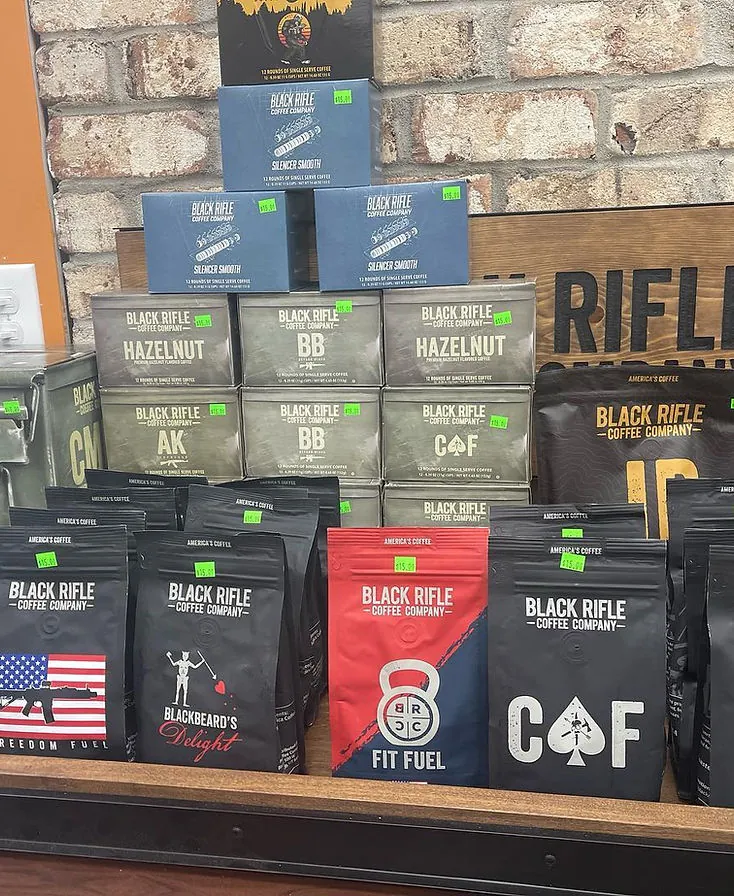
Inside a Surplus Warehouse: What You'll Find, What to Skip, and Why the Bulk Deals Are Real
You've probably walked into a discount store expecting big savings and left with a bag of chips and mild disappointment. The prices weren't that different. The selection felt random. And whatever "surplus" meant on the sign outside, it wasn't obvious once you were inside. Surplus warehouses are a different animal entirely, and if you haven't been to one, it's worth knowing what you're actually walking into before you go.
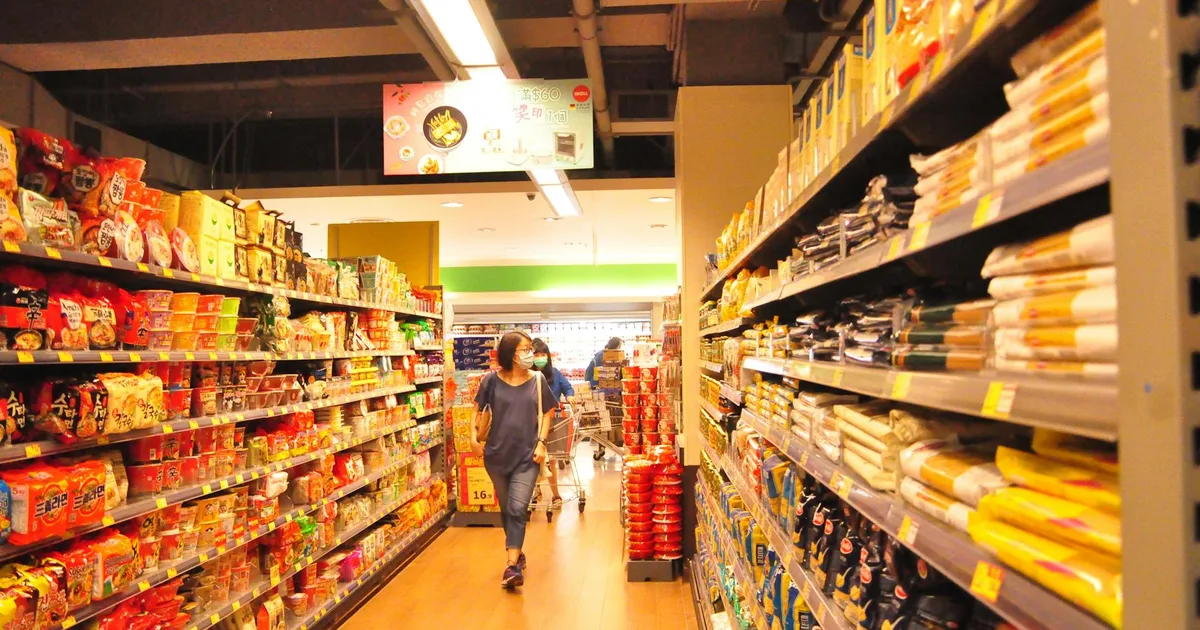
These are not your standard closeout shops. Surplus warehouses are large-format stores, often 20,000 to 100,000 square feet, that buy excess inventory, freight returns, overstock, and liquidated goods in bulk and sell them at deeply reduced prices. In practice, the scale is the point. And once you understand how they work, you start to see why regulars treat them like a weekly ritual.
What a Surplus Warehouse Actually Is
Walking into one for the first time can feel genuinely disorienting. Pallets stacked near the entrance. Fluorescent lighting stretching back further than you expected. A forklift moving somewhere in the distance. It doesn't look like a retail store because, technically, it isn't one in the traditional sense.
Surplus warehouses source product differently than regular retailers. Instead of ordering from manufacturers at set wholesale prices, they buy whatever is available: returned merchandise from big-box chains, discontinued product lines, seasonal overstock that didn't sell, shelf pulls, and sometimes salvage goods from store closures. Typically, the inventory changes constantly. That's not a flaw in the model. That's the whole model.
Honestly, the unpredictability is half the appeal. Some weeks you'll find name-brand kitchen appliances for 70% off. Other weeks it's mostly cleaning supplies and random automotive parts. You never quite know, which keeps people coming back.
Prices at these facilities are usually marked with a formula rather than a fixed tag. Many surplus warehouses use color-coded sticker systems or weekly markdown schedules where items drop in price the longer they sit. A product that arrives on Monday might be 50% off by Thursday and 75% off by the following week. Learning that system at your local store is probably the single most useful thing you can do before your first big trip.
How Surplus Warehouses Differ from Similar Store Types
This is where people get confused, and it's worth clearing up.
Thrift stores and surplus warehouses are not the same thing. Thrift stores sell donated goods, primarily clothing and household items, and most of the revenue goes to a nonprofit or charity. Surplus warehouses sell new or like-new commercial overstock. As a rule, the goods are generally unused, still in packaging, and sourced from the retail supply chain rather than from individual donors.
Liquidation stores are closer cousins. Both buy excess inventory in bulk. But liquidation stores tend to sell by the pallet or lot, meaning you're buying a mixed box of whatever without knowing exactly what's inside. Surplus warehouses, by contrast, break down those lots and sell items individually. You can pick up a single blender, not a whole pallet of random electronics. That distinction matters a lot for everyday buyers.
Closeout retailers like certain national chains are similar in spirit but operate more like traditional stores, with a curated selection, consistent pricing, and a stable inventory that doesn't change week to week. Surplus warehouses are messier and more variable, but the deals tend to go deeper. A good facility will have items priced at a fraction of what you'd pay at a closeout chain.
Among the 328+ verified listings on Surplus Store Finder, surplus warehouses consistently earn some of the highest ratings, averaging around 4.5 stars. That tracks. When the model works, it really works.
What to Expect When You Walk In
Bring a cart immediately. Do not assume you won't need one. You will need one.
Most surplus warehouses are organized loosely by category, but "loosely" is doing a lot of work in that sentence. You might find a row of garden tools next to a display of protein powder next to a stack of area rugs. Some stores do a better job than others of grouping similar items, but the layout shifts as new inventory arrives and old stock sells off. Plan to browse the whole floor at least once before you commit to anything.
Condition varies. Most items are new in packaging, but some will have damaged boxes, missing components, or cosmetic flaws. Good surplus warehouses label these clearly. If something looks like it's been opened, check the contents before you buy. Returns are sometimes limited or final sale, so it pays to take an extra minute at the shelf.
And a small thing worth knowing: the parking lots at these stores are almost always bigger than you'd expect, because the buildings were often former distribution centers or big-box locations. That's not an accident. It's a clue about what you're walking into.
Getting the Most Out of These Stores
Go early in the week if you want first pick of new arrivals. Go late in the week if you want the deepest markdowns on items that have been sitting. Both strategies work, depending on what you're after.
Build a short mental list of categories you actually need before you go. Surplus warehouses are genuinely great at pulling you toward things you didn't know you wanted. That's fun, but it can also mean you leave with four picture frames and no dish soap, which was the thing you came for. A loose list keeps you grounded without killing the spontaneity.
Skip anything that requires a warranty or specific replacement parts if the packaging is damaged. Electronics and appliances in particular can be tricky. A $30 air fryer is a good deal. A $30 air fryer with a cracked control panel and no power cord is just a $30 problem.
Surplus warehouses reward regulars. Once you know the markdown schedule, the layout, and the typical categories a specific store carries, your hit rate on genuinely good finds goes way up. It takes two or three visits to really learn a store. That investment is worth it.
If you haven't found a surplus warehouse near you yet, that's exactly what Surplus Store Finder is built for. Browse by location, read verified reviews, and get a sense of what each store tends to carry. Finding the right one for your needs makes all the difference.