Outdoor Gear, Clearance Racks, and Why Summer Is the Best Time to Hit a Surplus Store
The Mistake Most People Make in June
Picture this: it's the first warm weekend of summer, and someone drives straight to a big-box retailer to buy a camp chair, a cooler, and a few things for an upcoming road trip. They spend $200, feel okay about it, and head home. A friend mentions later that the surplus store two miles away had the same cooler brand for $60 and a camp chair still in the box for $18. Not a scratch on either one.
That's the gap. A lot of people assume surplus stores are picked over by summer, that all the good stuff went in spring. That assumption costs real money.
Surplus stores actually get a fresh wave of inventory in early summer. Spring merchandise that didn't sell at department stores and outdoor retailers gets liquidated fast, and much of it lands on surplus store shelves in May and June. By the time most shoppers think to check, there's more on the floor than there was in April.
What Summer Actually Looks Like on the Shelves
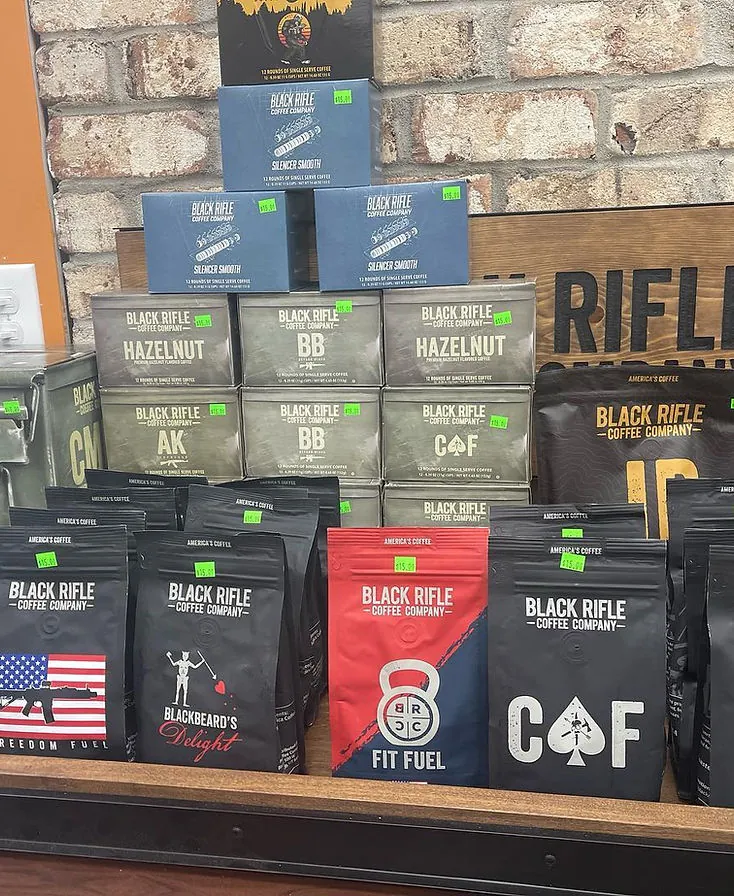
Outdoor gear dominates. Tents, folding tables, portable grills, hiking boots, rain jackets marked down because the season technically "passed," kayak paddles, and coolers of every size. Surplus stores pick up these items in bulk, which is why you can sometimes find six identical camp chairs stacked in a corner with a hand-written price tag that seems too low to be real.
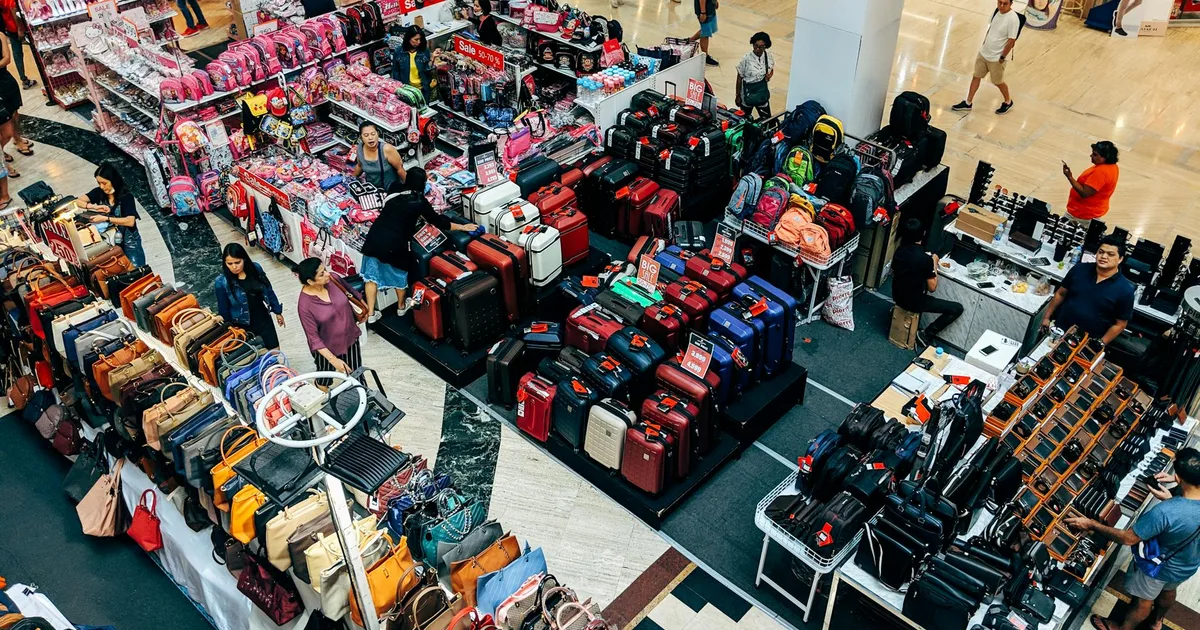
Vacation essentials show up too. Luggage sets, travel organizers, beach towels still in packaging, sunscreen in multipacks, and sandals in every size imaginable. Honestly, the sandal selection at a good surplus store in July is something to see. Brands you'd recognize, sizes that are actually in stock, prices that feel almost suspicious.
And then there are the clearance items from spring. This is where it gets interesting. Gardening tools, lawn equipment, patio furniture cushions, and seasonal clothing all rotate through as retailers clear space for fall. A good surplus store near you, especially among the 328+ verified listings on this directory, will often get multiple shipments of this kind of stock between June and August.
One thing worth knowing: not every item has a neat tag. Some surplus stores use sticker codes or handwritten prices, and the labels can be confusing the first time you visit. Do not be shy about asking a staff member what a code means. Most are happy to explain, and a few places will negotiate on quantity if you're buying several of the same item.
How to Actually Shop Smart This Season
Go early in the week. This is practical, not just a cliché. Surplus stores often restock Monday through Wednesday after weekend sales thin out the floor. Showing up on a Saturday afternoon means you're seeing what's left after everyone else had a look.
Make a loose list before you go, but stay flexible. You might go in looking for a tent and come out with a tent, a camp stove, and a set of waterproof duffel bags you didn't know you needed. That's not impulse buying if the prices are right and the items are useful. It's just being open to what's available.
Check condition carefully on anything with a hinge, zipper, or seal. Coolers with cracked lids, tents with broken poles, and folding chairs with bent frames are not good deals at any price. Give things a quick inspection before committing. Most surplus stores are honest about condition, but you're still responsible for checking.
And here is something most people skip: check back more than once. Inventory turns over fast in summer. A store that had nothing useful on a Tuesday might have a whole new pallet by Friday. If you found a store you liked, visiting it two or three times in a single month is not excessive.
What Makes Summer Different From Other Seasons
Spring gets a lot of attention for deals, and fall has its own rhythm with back-to-school and pre-winter gear. But summer sits in a useful middle zone. Retailers are actively clearing spring product, vacation demand is high, and outdoor items are actually relevant to your life right now, not something you're buying to store for six months.
That relevance matters. Buying a tent in November because it's on clearance is a gamble. You might forget a pole, or a bag, or realize in March that the zipper doesn't work. Buying a tent in June means you're probably using it in two weeks, and any problem surfaces before the camping trip, not during it.
Wait, that's not quite the whole picture. Buying off-season has its place too, especially for durable items like coolers, cast iron cookware, and boots. If the price is steep even at a surplus store, waiting until fall clearance can push it lower. But for anything you plan to actually use this summer, buying now wins.
Surplus stores also tend to carry a mix of name brands and generic stock side by side, and the quality gap between them is smaller than you'd expect. A Coleman cooler and an off-brand cooler of the same size sitting three feet apart, with a $25 price difference, is a real choice worth thinking through. Coleman holds resale value better, for what it's worth, but if you're just keeping drinks cold for a day trip, the off-brand does the job.
Summer savings at surplus stores are real. They're not a gimmick, and they do not require perfect timing or insider knowledge. Just showing up, checking the shelves, and knowing what you actually need is enough to come out well ahead of the big-box alternative.