Overstock, Excess Inventory, and Why Surplus Outlets Are Worth Understanding Before You Go
328 verified listings and counting. That's how many surplus outlets and related stores are catalogued on Surplus Store Finder right now, with an average rating sitting at 4.5 stars across the board. That's not a small sample size, and it tells you something real: people who find these places tend to like them quite a bit.
But surplus outlets specifically occupy a particular corner of the resale world that a lot of people don't fully understand before walking in. They're not thrift stores. They're not liquidators exactly. And they're definitely not the same as a discount chain. Getting clear on what they actually are makes the whole experience a lot more useful.
What a Surplus Outlet Actually Is
Surplus outlets exist because manufacturers and distributors end up with inventory they cannot or do not want to move through normal retail channels. Think overproduction runs, discontinued product lines, seasonal goods that didn't sell through, or items pulled from retail shelves to make room for new models. That product has to go somewhere. Surplus outlets are where it goes.
And yes, that means the inventory is real, brand-new product in a lot of cases. Not used. Not damaged necessarily. Just excess.
What separates this type of store from a general liquidator is the sourcing. Liquidators often buy mixed lots from closed businesses, bankruptcies, or store returns. Surplus outlets tend to have tighter relationships with specific manufacturers or distributors, which means the stock is more predictable in quality, even if it still rotates constantly. You might walk into the same store three weeks apart and find completely different product categories each time.
Worth knowing: a lot of surplus outlets don't heavily advertise what's in stock at any given moment. They can't, because it changes. So going in without a specific expectation actually works better than going in with a shopping list.
What to Expect Inside
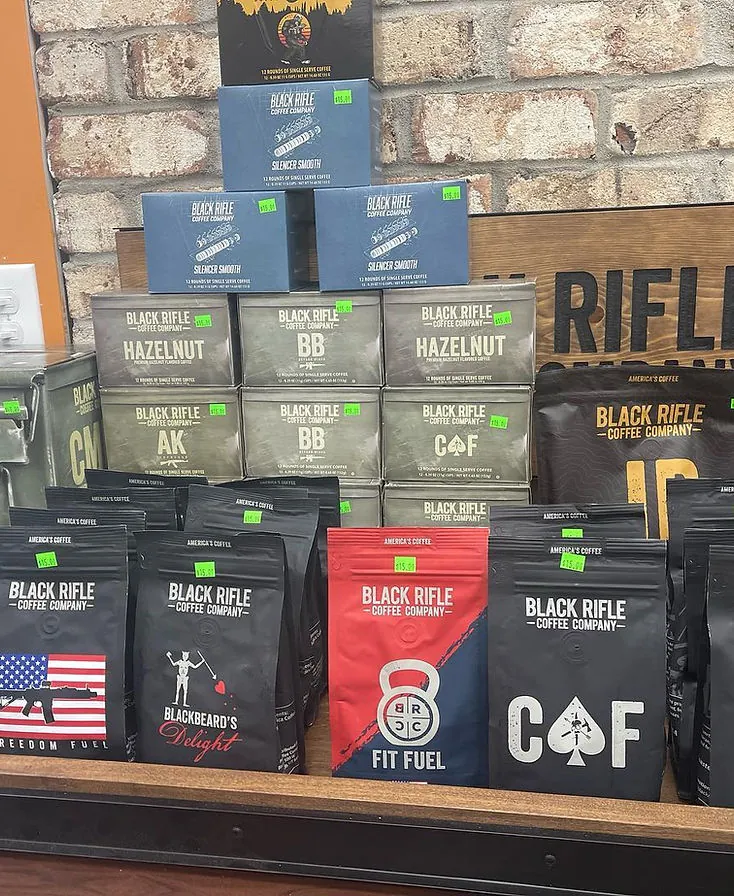
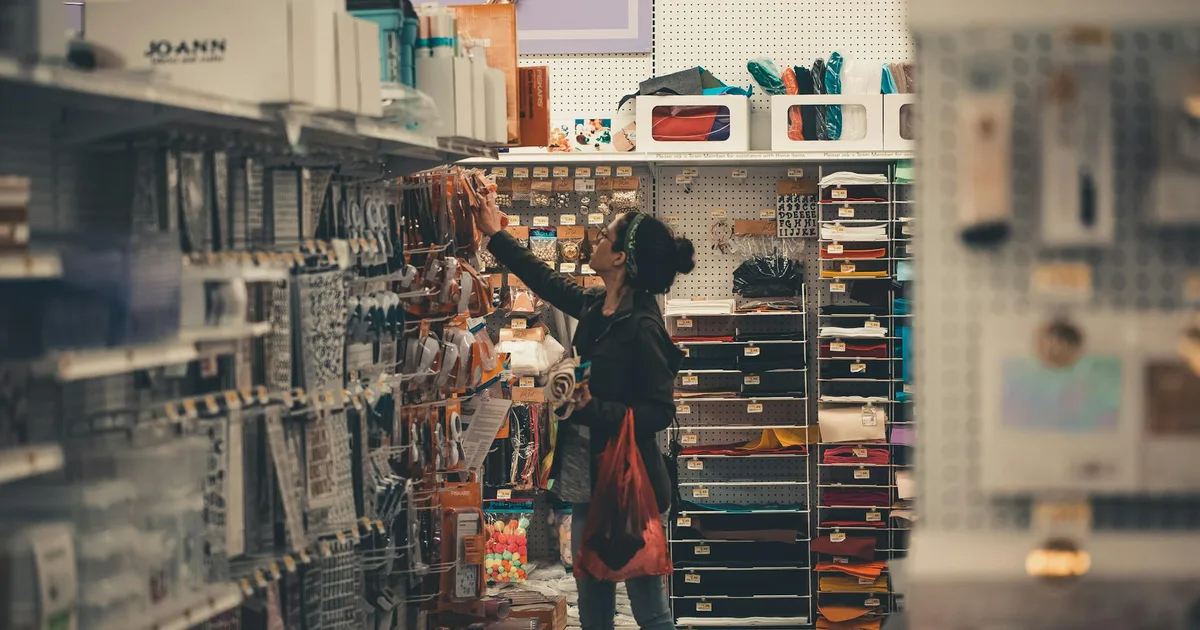
Walking into a surplus outlet for the first time can feel a little chaotic. Shelving is often utilitarian, products might still be in manufacturer shipping cases or stacked on pallets, and price tags don't always follow a consistent system. Some items are priced individually. Others are sold by the box or lot. A few places use color-coded stickers that correspond to weekly markdown schedules.
Prices are usually genuinely low. Not "retail marked up then discounted" low. Actually low, because the store paid a fraction of wholesale for the goods and doesn't need full margin to turn a profit. For industrial supplies, hardware, cleaning products, and seasonal goods especially, the savings can be pretty dramatic.
That said, don't expect a polished experience. Staff at these places are often small in number and busy with receiving and restocking. You're largely on your own to sort through things. Some shoppers find that appealing. Others find it frustrating. Go in knowing it's more of a dig-through-and-find situation than a curated retail experience.
One specific thing worth checking: look at lot sizes before you get excited about a price. A surplus outlet might price something at $4.00, which sounds great until you realize it's sold in units of 24. That's not a problem if you actually need 24 of something, but it catches people off guard more than you'd think.
How Surplus Outlets Differ from Similar Store Types
This is where people get confused most often, so it's worth being direct about the distinctions.
Thrift stores get donations from individuals and sell secondhand goods. Surplus outlets sell new or near-new goods sourced from commercial channels. Those are fundamentally different supply chains, and the product conditions reflect that.
Liquidation stores and closeout retailers are closer cousins. Both deal in excess and discontinued inventory. But liquidation stores often sell customer returns and mixed-condition merchandise, which means you're more likely to encounter opened packaging, missing parts, or items in unknown working condition. Surplus outlets, drawing directly from manufacturers and distributors, tend to have fewer of those issues, though it's not a hard rule.
Discount chains like dollar stores or big-box clearance sections are not surplus outlets. Those stores negotiate direct deals with manufacturers for specific goods at low price points, and the inventory is predictable and consistent. A surplus outlet's stock is irregular by nature. That's the whole point.
I'd pick a surplus outlet over a general liquidator any day for hardware, industrial supplies, or cleaning products. The quality consistency is just more reliable for that category of goods.
How to Get the Most Out of These Stores
Go often. That's the honest answer. Surplus outlets reward repeat visitors because the stock turns over constantly, and timing matters more than almost anything else.
Check the store's receiving schedule if you can find it out. Many surplus outlets get new stock on specific days of the week, and the selection right after a receiving day is usually much better than mid-week when things have been picked through. Some stores will tell you this if you ask directly.
Also, do not overlook the bulk items. Surplus outlets frequently have large quantities of a single product available at very low per-unit cost, which is genuinely useful for businesses, contractors, or anyone who uses a product regularly. A restaurant buying cleaning supplies, a small contractor stocking fasteners, a property manager picking up maintenance goods: these are exactly the kinds of buyers surplus outlets quietly serve very well alongside everyday shoppers.
And bring cash if the store is small and independent. A surprising number of these places either prefer cash or offer a small discount for it, especially on large lot purchases. It's an old-school habit that survives in this corner of retail.
Frequently Asked Questions
- Is the merchandise at surplus outlets new or used? Most stock at surplus outlets comes directly from manufacturers or distributors and is new or unused. It may have older packaging or be from a discontinued line, but it hasn't been opened or returned by a consumer in most cases.
- Can I return items to a surplus outlet? Return policies vary widely. Many surplus outlets operate all-sales-final policies because of how they acquire inventory. Check before you buy, especially on larger purchases.
- Why does the inventory change so much between visits? Because surplus outlets buy what's available in the market at any given time. They don't have standing orders for consistent product. New excess comes in, it sells, and then something completely different arrives.
- Are surplus outlets good for business purchasing? Often yes, particularly for consumables, supplies, and hardware. Buying in larger quantities at surplus prices can meaningfully
More Ways to Save