Safety Standards in Surplus Stores: What You Need to Know
328 surplus stores are listed across our directory, carrying an average customer rating of 4.5 stars out of 5, and that number matters more than most shoppers realize. It suggests that, on balance, the surplus retail sector is doing something right. But averages hide a lot. A store sitting at 3.1 stars in the same category as a 5.0-star operation like Drop Zone Military Surplus in Fayetteville, NC (1,068 reviews) is a fundamentally different experience, and potentially a fundamentally different safety situation.
Surplus stores are retail businesses that sell excess, overstock, returned, or decommissioned goods. That definition covers a huge range of inventory: military gear, industrial equipment, general merchandise, clothing, food, tools, and sometimes things that are harder to categorize. Because the merchandise comes from so many different sources, quality and safety can vary wildly from one shelf to the next, sometimes from one bin to the next. Shoppers who know what to look for protect themselves. Store operators who take standards seriously protect their customers and their business licenses.
This article covers the main safety hazards you might actually encounter, what federal and state regulations apply to these stores, how to read a store's practices before you buy anything, what's different about military versus industrial versus general merchandise surplus, and what the directory data tells us about which markets are performing best. There's also a practical checklist at the end because honestly, a few simple habits make a real difference.
Common Safety Hazards in Surplus Retail Environments

Walk into a busy surplus store on a Saturday afternoon and the first thing you notice, usually, is how much stuff there is. Merchandise stacked floor to ceiling. Narrow aisles that force you to turn sideways. Shelving units that look like they haven't been adjusted since the inventory arrived three shipments ago. This is not just an aesthetic issue.
Overcrowded aisles are one of the most common physical hazards in surplus retail. OSHA requires a minimum aisle width of 28 inches in retail settings, and emergency exit paths must stay clear at all times. In a store that's constantly rotating heavy, bulky inventory, that standard is easy to accidentally violate. Unstable shelving is a related problem. When shelves are loaded beyond their rated capacity or when heavy items are placed too high, the risk of tip-overs goes up fast. A shelf loaded with surplus auto parts or military equipment boxes is not the same as a shelf of packaged goods at a grocery store.
Lighting is another one that gets underestimated. Poor lighting in warehouse-style surplus spaces makes it hard to read labels, spot floor hazards like loose packaging or spilled contents, and assess the actual condition of merchandise. And yet it's one of the cheaper problems to fix.
Product-specific risks are a separate category. Surplus stores sometimes carry expired consumables, like food rations, batteries, or medical supplies, where expiration dates affect safety, not just quality. Outdated equipment might lack the safety features mandated in current product standards. Items without any labels at all, which happens with bulk lots and decommissioned gear, give you no information about materials, country of origin, or whether the product was ever subject to a safety recall.
Chemical and hazardous material risks are most relevant in industrial surplus and military surplus stores. Surplus chemical containers can leak, react with other products, or simply be mislabeled. Some military surplus items were manufactured with materials now known to be hazardous, certain older tent fabrics, fuels, and cleaning agents among them. It's worth taking a second before you pick something up off the shelf and ask yourself: do I actually know what this is?
Look for a visible product label with manufacturer info, a condition grade or description, and no signs of damage, leaking, or tampered packaging. If any of those are missing, ask a staff member before handling the item further.
What Federal and State Regulations Actually Require
OSHA's retail standards are not optional suggestions. They apply to any business with employees, including surplus stores, and cover everything from aisle clearance to fire exit signage to the load ratings of storage shelving. Specifically, OSHA 29 CFR 1910.36 and 1910.37 cover emergency exit requirements: exits must be visible, unobstructed, and marked with illuminated signs. Shelving used for storage must not exceed the manufacturer's rated capacity, and that rating should be posted on or near the unit.
OSHA also requires that stores maintain Material Safety Data Sheets (now called Safety Data Sheets, or SDS) for any hazardous chemicals on site. If a surplus store carries industrial solvents, compressed gas, or similar items, staff should be able to produce SDS documentation on request. Many shoppers don't know they can ask for this. They can.
On the product safety side, the Consumer Product Safety Commission (CPSC) prohibits the sale of recalled products, full stop. This applies to surplus and resale businesses just as much as it applies to regular retailers. Surplus stores that buy bulk lots of returned merchandise are responsible for checking those lots against the CPSC recall database before putting products out for sale. Honestly, not every store does this as carefully as they should, and it's one of the bigger gaps in consumer protection in this sector.
State and local requirements add more layers. Fire codes typically require specific aisle widths, sprinkler system maintenance, and limits on how high merchandise can be stacked (often 18 inches below sprinkler heads). Business licensing in many states requires periodic health and safety inspections, especially for stores carrying food products or certain classes of chemicals. Some states also have specific rules about selling military-style items, replica weapons, or certain types of industrial equipment to the general public.
The regulatory picture is genuinely complicated, and it varies a lot by location. Fayetteville, NC, which leads our directory with 6 listings, sits near Fort Liberty (formerly Fort Bragg), a detail that shapes both the product mix at local surplus stores and the level of regulatory attention they receive from local authorities. Military communities tend to have better-informed buyers and, in many cases, more scrutiny on military gear authenticity and safety.
How to Read a Surplus Store's Safety Practices Before You Buy
Most of what you need to know about a surplus store's safety culture is visible within the first five minutes of walking in. Good stores make this easy. Bad ones make it obvious in a different way.
Start with the basics. Are the aisles clear and wide enough to move through comfortably? Are emergency exit signs lit and unblocked? Is the store reasonably well-lit? Are products organized in a way that suggests someone has actually thought about how merchandise is arranged, rather than just moving it off the truck and onto the nearest flat surface? These things sound obvious, but you'd be surprised how much they vary.
Signage matters a lot. A well-run surplus store has clear labels on shelves, visible pricing, condition grades on individual items or sections (new, used, refurbished, as-is), and posted policies for returns or exchanges. The absence of condition grading is a yellow flag. If a store can't tell you whether something is new, refurbished, or pulled from a decommissioned lot, that's information they either don't have or don't want to share.
Visible, available staff is another good sign. Not staff hiding in a back office, but people on the floor who can answer questions. Ask them directly: where did this item come from? What does the condition grade on this shelf mean? Does the store check new inventory against CPSC recall lists? A well-run operation will answer these questions without hesitation. Evasion or vagueness is a signal worth taking seriously.
Customer reviews are a reliable proxy for all of this. Among the 328 businesses in our directory, the stores with the highest review counts and ratings consistently show up with comments about organized layouts, knowledgeable staff, and honest product descriptions. Drop Zone Military Surplus in Fayetteville has 1,068 reviews and a 5.0 rating. Silverback Military Surplus, also in Fayetteville, has 352 reviews at 5.0 stars. ARK Tactical Inc in Richmond, KY has 220 reviews at 5.0 stars. These aren't flukes. Volume of reviews at a high rating suggests consistent, repeatable performance, and consistent performance in retail almost always tracks back to operational discipline, which includes safety.
And speaking of reviews, it's not just the star average that counts. Read a few of the actual written reviews. Shoppers mention specific things: a cluttered aisle, a rude response when they asked about a product's origin, or conversely, a staff member who went out of their way to explain the difference between two similar items. That ground-level detail is hard to fake across hundreds of reviews.
Safety Differences by Surplus Store Type
Not all surplus stores carry the same risks. In practice, the category of store shapes what hazards are most likely and what questions you should be asking.
Military Surplus Stores
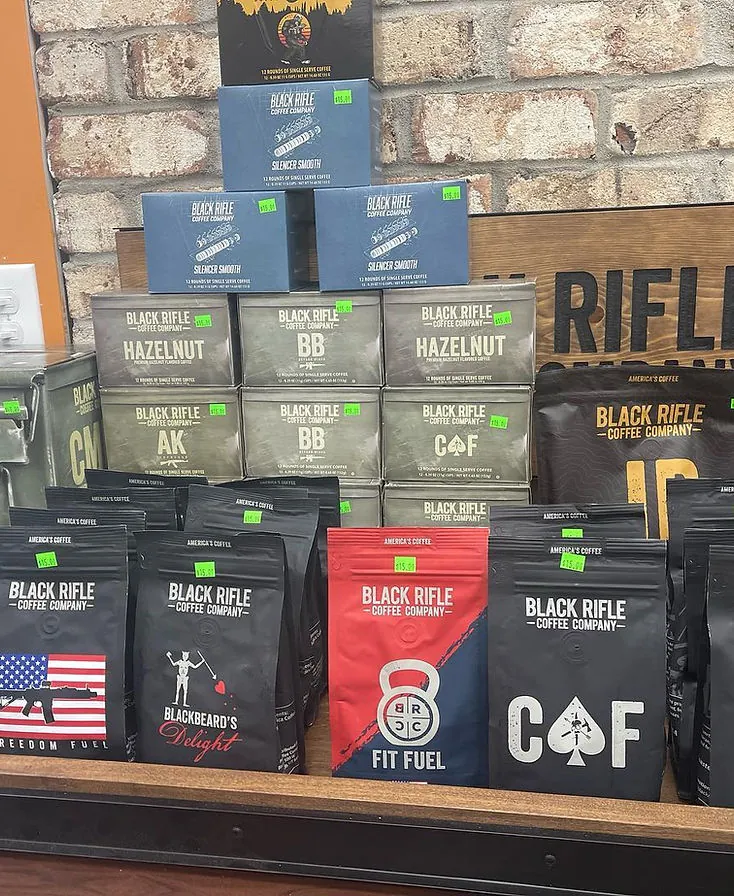
Military surplus stores carry decommissioned gear, clothing, tools, navigation equipment, and a wide range of items from training and logistics supply chains. Some of this stuff is excellent quality and perfectly safe. Some of it is not. Typically, the biggest specific risks involve items that are adjacent to ammunition or weapons: holsters, magazines, cleaning kits, and related products. These aren't inherently dangerous, but authenticity matters. A replica item sold as authentic military spec may not meet the safety or durability standards of the original.
Chemical exposure is also a real concern in military surplus. Older NBC (nuclear, biological, chemical) protective gear, certain lubricants and cleaning compounds, and some types of field equipment were manufactured with materials that carry health warnings today. Stores that know their inventory will be able to tell you the approximate manufacture date and source of decommissioned items. If they can't, treat the item with appropriate caution.
Gibsons Tactical Tavern in Columbus, GA and HUSKY TACTICAL in Lakewood, WA both carry 5.0 ratings in this category, with 123 and 114 reviews respectively. Both are examples of stores that have built strong reputations in communities that tend to be very knowledgeable about gear quality.
Industrial and Equipment Surplus Stores
Industrial surplus is where the stakes get highest, fast. Power tools, machinery, electrical equipment, and mechanical components sold through surplus channels may be missing safety guards, have worn-out electrical insulation, or lack the certification labels (UL, CE, CSA) required for safe use in their intended application. A power tool without a UL listing isn't necessarily dangerous, but you have no independent verification that it meets minimum safety standards.
Check for missing guards on any cutting, grinding, or drilling equipment. Check for frayed cords, cracked housings, and missing covers on electrical components. Ask whether the store has tested electrical items before putting them out for sale. A good industrial surplus store will have done at least basic functional testing and will say so. One that can't tell you is asking you to accept unknown risk.
If you shop at stores that deal in surplus food or grocery products, the same principle applies to expiration dates and storage conditions. Sites like salvage grocery directories maintain their own quality listings for that specific niche, and it's worth checking those resources if you're looking at edible surplus goods specifically.
General Merchandise and Thrift-Style Surplus Stores
General merchandise surplus stores, the kind that carry a bit of everything from returned consumer goods, often have the widest safety variability because the inventory is so mixed. Toy safety is a specific concern: toys manufactured outside current CPSC standards (pre-2008 products, certain imports) may contain lead paint or small parts that are now prohibited. Textile recalls are surprisingly common too, particularly for children's clothing with drawstrings or fabrics treated with now-banned flame retardants.
Food-grade products are another category requiring attention. Surplus food items, protein bars, packaged snacks, drink mixes, should always be checked for visible expiration dates and signs of damaged packaging. A dented can is not automatically unsafe, but a leaking one is, and you can't always tell the difference at a glance.
Directory Data: What the Numbers Show About Top Surplus Markets
| Store Name | Location | Rating | Reviews |
|---|---|---|---|
| Drop Zone Military Surplus | Fayetteville, NC | 5.0 ★ | 1,068 |
| Silverback Military Surplus | Fayetteville, NC | 5.0 ★ | 352 |
| ARK Tactical Inc | Richmond, KY | 5.0 ★ | 220 |
| Gibsons Tactical Tavern | Columbus, GA | 5.0 ★ | 123 |
| HUSKY TACTICAL | Lakewood, WA | 5.0 ★ | 114 |
328 businesses across five major markets. As a rule, the data tells a different story than the "surplus stores are sketchy" narrative that sometimes circulates online. A 4.5-star average across that many listings is actually strong for a retail category that handles used, returned, and non-standard merchandise. For context, general retail categories on major platforms often hover around 4.1 to 4.3 stars on average, so the surplus sector listed here is outperforming that baseline.
Fayetteville and Columbus each have 6 listings, the highest of any city in the directory. Jacksonville has 5, Gainesville has 4, and Las Vegas has 3. For most shoppers, the concentration in Fayetteville makes obvious sense given the proximity to Fort Liberty; military communities generate demand for military surplus, and that demand supports more stores, more competition, and ultimately higher standards. Columbus, GA sits adjacent to Fort Moore (formerly Fort Benning), so same dynamic applies.
Las Vegas showing up with only 3 listings is interesting. High tourist traffic and a large transient population might actually suppress the kind of loyal repeat-customer base that drives high review volumes and sustained quality. Or it's just a data limitation. Either way, it's worth noting.
For shoppers looking for surplus stores that also carry food or grocery-adjacent goods, checking a resource like salvagegrocerystores.com alongside this directory can give you a fuller picture of what's available in your area for discounted consumables, with its own set of quality listings.
A 5.0-star rating with 1,000+ reviews is more meaningful than a 5.0 with 12 reviews. Sort by review count alongside rating to identify stores with genuinely proven track records, not just a handful of enthusiastic early customers.
Practical Checklist: Shopping Safely at Any Surplus Store
Enough theory. Here's what to actually do.
Before you go: check the store's rating and read at least 10 to 15 recent reviews, specifically looking for comments about store condition, staff knowledge, and product quality. Look up the store's address and check whether it has any active complaints with the Better Business Bureau or your state's consumer protection office. Takes five minutes and occasionally saves you a wasted trip.
When you arrive: note whether aisles are clear, exits are marked, and the store is reasonably lit. If any of those are obviously wrong, you're already learning something about how the place is run. Wear closed-toe shoes. Sandals in a warehouse-style surplus store is just asking for a problem.
Before you handle merchandise: look for a label. Any label. You want to see manufacturer info, a condition description, and ideally a country of origin. If the item has none of these, ask a staff member before picking it up, especially for anything electrical, chemical, or structural (like load-bearing equipment).
Specific things to check by category:
- Military gear: Check for authenticity markings, manufacture dates, and any chemical warning labels on older items. Ask whether decommissioned items have been inspected before sale.
- Power tools and electrical equipment: Look for UL or equivalent certification labels, inspect cords for damage, check that guards and covers are present.
- Toys and children's items: Verify CPSC compliance labeling, check for small parts, and cross-reference against the CPSC recall database if you're buying anything for a child.
- Food and consumables: Check expiration dates on every individual item, not just the box. Look for damaged seals or packaging.
- Chemicals and compounds: Do not buy anything in an unlabeled container. Seriously. Not worth it.
If you spot a genuine hazard, like a leaning shelf, a blocked fire exit, or a leaking chemical container, tell a staff member. You don't have to be dramatic about it. Just point it out. A good store will act on it immediately, and that reaction itself tells you something about how the place operates.
And if a store can't answer basic questions about where their inventory came from or how it was inspected, take your money somewhere with a better track record. With 328 options in this directory alone, you've got choices.
Frequently Asked Questions
Are surplus stores required to check for recalled products before selling them?
Yes. Under CPSC regulations, retailers including surplus and resale businesses are prohibited from selling recalled products. Responsible stores check new inventory against the CPSC recall database before putting items out for sale. If you suspect a store is selling a recalled item, you can report it to the CPSC directly at cpsc.gov.
What does a "condition grade" mean at a surplus store?
Condition grades vary by store, but common ones include: New (unused, original packaging), Grade A or Excellent (minimal wear, fully functional), Grade B or Good (moderate wear,