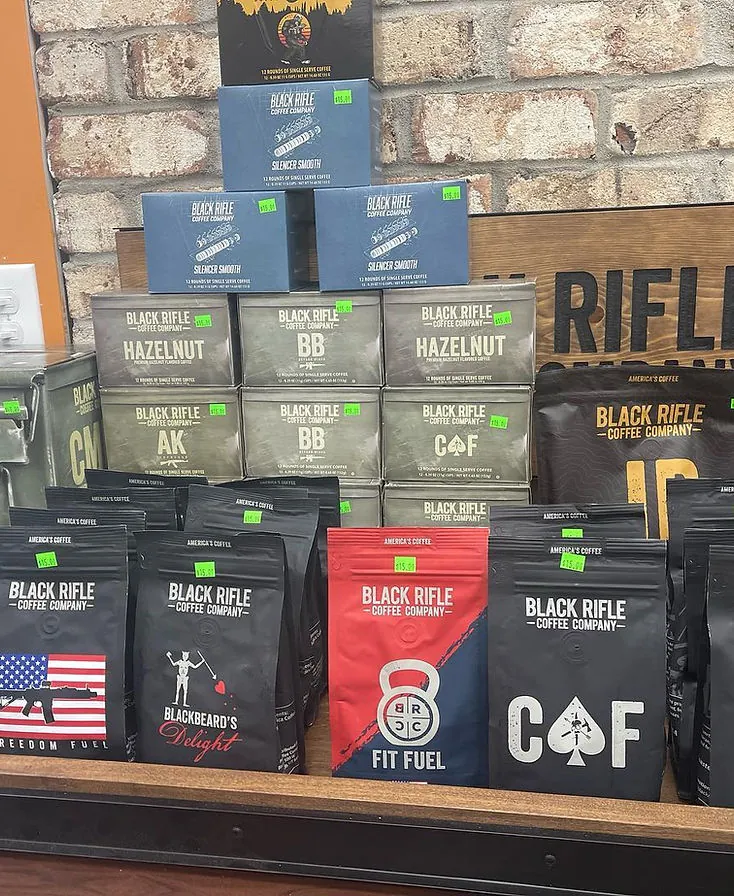
The Hidden Benefits of Shopping at Surplus Stores Explained
Most people drive right past surplus stores without a second thought. They assume it's all beat-up military gear and mystery boxes of broken electronics. Wrong. Dead wrong, actually, and that assumption is costing everyday shoppers hundreds of dollars a year.
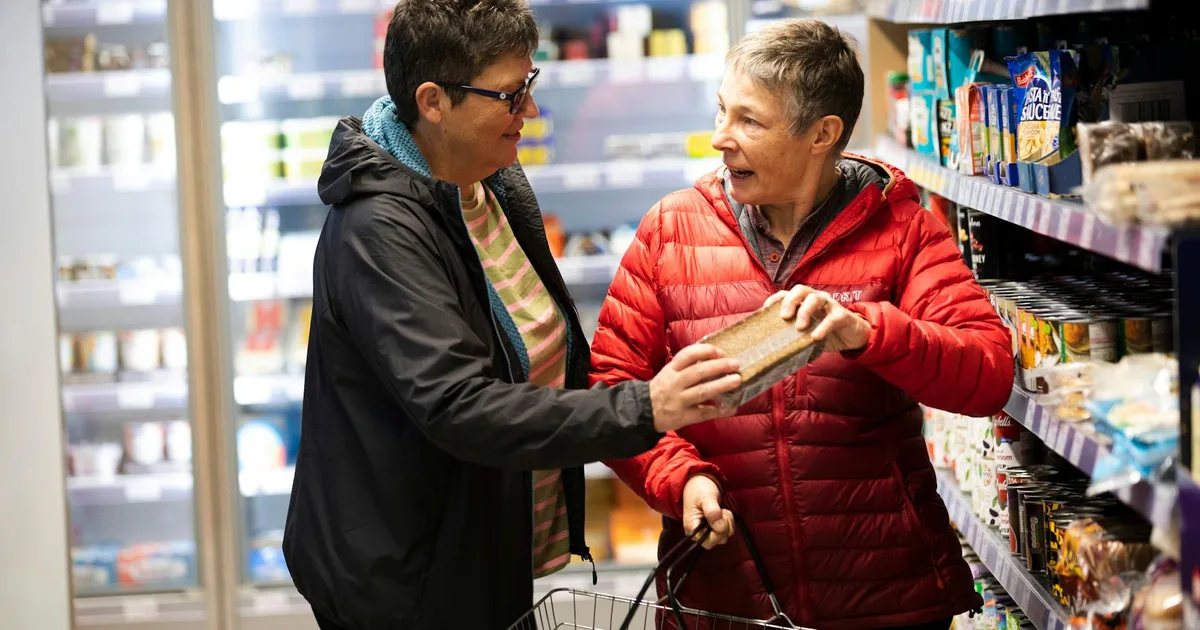
Surplus stores are one of the most overlooked shopping options in America, quietly serving bargain hunters, small business owners, contractors, and resellers who know exactly what they're looking for. Our directory lists 223 surplus businesses across the U.S., averaging 4.5 stars from real customers. That's not a fluke. It means people are going, finding good stuff, and coming back. This article breaks down why surplus store shopping makes financial sense, what kinds of products you'll actually find, and how to get the most out of every trip.
What Is a Surplus Store and How Does the Inventory Work?
A surplus store sells merchandise that didn't make it through normal retail channels. That sounds vague, so here's what it actually means in practice.
Governments auction off equipment they no longer need, military gear, furniture, vehicles, tools, office supplies. Manufacturers overproduce and end up with pallets of product they can't move through regular stores. Big-box retailers like Walmart or Target end up with returned goods that are perfectly functional but can't go back on shelves. All of that stuff has to go somewhere, and surplus stores are where it lands.
Walk into a good surplus store and you might find camping gear next to work boots next to a stack of unopened blenders. Some carry a heavy focus on military and tactical gear. Others lean hard into tools and hardware. A few carry clothing, survival supplies, and even electronics. The inventory shifts constantly because the sourcing is always different. That's part of the appeal, honestly, you never quite know what you'll find.
And here's where people get confused: surplus stores are not the same as thrift stores or liquidation outlets, even though all three sell discounted goods. Thrift stores are primarily donation-based and usually deal in used consumer items. Liquidation outlets buy bulk pallets of returned merchandise and often sell it as-is, sometimes unsorted. Surplus stores, on the other hand, tend to have more consistent sourcing from government and manufacturer channels, and the goods are often brand new or barely used. Knowing that difference matters before you walk in expecting one thing and finding another.
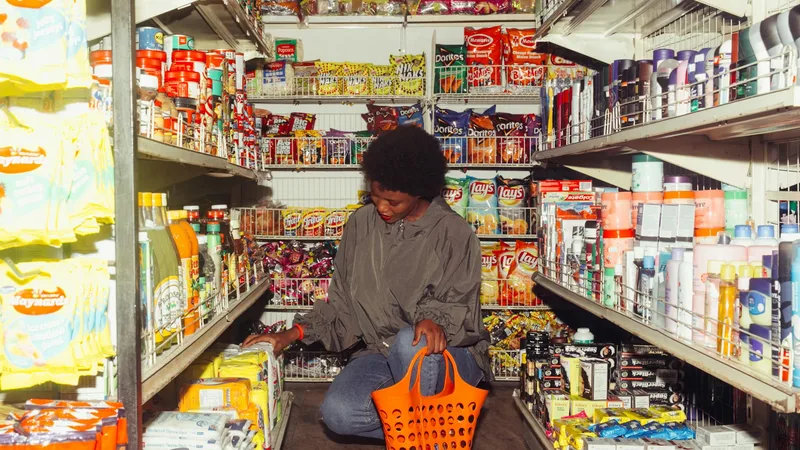
The Financial Benefits: How Much Money Can You Actually Save?
Let's talk numbers because that's the real reason most people end up at these places.
Prices at surplus stores typically run 30% to 70% below standard retail. Sometimes more. A work jacket that retails for $120 might sit on a surplus rack for $35. A set of hand tools that sells for $80 at a hardware store could be $22. These are not tiny differences. Over a year of regular shopping, a person paying attention could easily save $500 to $1,000 or more depending on what they buy.
Why are prices that low? Because the store paid almost nothing for the inventory. Government liquidations are often sold at a fraction of original cost. Overstock merchandise gets offloaded cheap because the manufacturer just wants it gone. Retailers sell returned goods in bulk because processing individual items is too expensive. All of that discount gets passed to you, the buyer, in the form of lower shelf prices.
Small business owners have figured this out. A contractor who needs work gloves, tarps, and safety gear for a crew of six isn't going to pay retail prices at a hardware store every month. They buy in bulk at a surplus store and cut their supply costs significantly. Resellers do the same thing, they buy low, clean things up if needed, and flip items online for a profit. Both groups treat surplus stores like a wholesale channel that's open to the public.
Discontinued items are another angle worth mentioning. When a manufacturer stops making a product, remaining stock gets sold off at deep discounts. If you find something you like and use regularly, buying multiples makes a lot of sense. Some people stock up on specific work boots, brand-name tools, or kitchen items when they find a discontinued product at a price that makes sense to stockpile.
Oh, and if you're already cutting costs on groceries, check out salvage grocery options in your area, same basic principle as surplus, applied to food, and it can shave a serious chunk off your monthly food budget too.
Surprising Product Quality and What to Look For
Stop assuming surplus means broken. That's the mistake most people make before they've ever actually been inside one of these stores.
A big portion of surplus inventory is new. Like, factory-sealed-in-original-packaging new. Overstock items never got opened. Government surplus often includes equipment that was purchased, stored, and never actually put into use. Returned goods from major retailers are frequently in working condition, people return things for reasons that have nothing to do with the product being defective. Wrong size, changed their mind, got a duplicate as a gift. That product comes back, can't go on the shelf, and ends up in the surplus pipeline.
That said, you do need to inspect what you buy. Here's what to actually check. Look for original packaging and manufacturer labels, if they're intact, that's a good sign the item hasn't been messed with. Check for expiration dates on anything consumable, including batteries, food-adjacent products, and medical supplies. Look for cosmetic damage versus functional damage; a dented box doesn't mean a broken product. If you can test something in the store, test it. Most good surplus stores won't have a problem with you doing that.
Before buying any surplus item: check for original packaging, scan for manufacturer labels or model numbers, test electronics or mechanical items if possible, look at expiration dates on consumables, and ask staff about the item's source if you're uncertain. Takes two minutes and saves potential headaches later.
One thing I noticed pricing labels in some of these stores, they'll sometimes mark up an item from their cost but still land well below retail. So seeing a $40 price tag doesn't mean you're getting a bad deal. Pull out your phone and check what the same item sells for on Amazon. You'll often be surprised.
Our directory lists 223 surplus businesses and the average customer rating across all of them sits at 4.5 stars. That's across a wide range of store types and cities. Stores like Drop Zone Military Surplus in Fayetteville, NC and Silverback Military Surplus, also in Fayetteville, both hold a perfect 5.0 stars, Drop Zone with over 1,000 reviews, which is not a small sample size. That level of consistent customer satisfaction doesn't happen if people are walking out with garbage products.
Environmental and Sustainability Advantages
Here's something nobody really talks about when they're comparing surplus stores to regular retail.
Every product you buy from a surplus store is a product that didn't end up in a landfill. Overstock that doesn't sell through normal channels often gets destroyed or dumped. Returned goods that can't be reshelved frequently get discarded in bulk. When you buy surplus, you're extending the life of something that was already made, already packaged, already shipped. No new raw materials. No new manufacturing energy. No new plastic packaging getting produced just to wrap one more item.
Surplus shopping is, without making it sound more dramatic than it is, a practical form of waste reduction. You're not doing it to be virtuous, you're doing it to save money, but the side effect is real. A product getting bought and used is always better than the same product going into a dumpster.
This also connects to what people mean when they talk about a circular economy, the idea that goods should keep moving and being used rather than cycling out after one retail attempt. Surplus stores sit right in the middle of that system. They catch products that fell out of the normal path and put them back in play. It's not glamorous, but it works.
Choosing surplus over new retail also means one fewer unit of demand for factories to fill. At scale, if more people bought surplus tools instead of new ones, fewer new tools need to be manufactured. Less packaging, less energy, less waste from the production side too. Small individual choice, but directionally it points the right way.
Directory Data and Market Insights: Surplus Stores Across the U.S.
Our surplus store directory covers 223 businesses across the country, and the geographic spread is worth paying attention to.
Fayetteville, NC leads all cities with 6 listings, and honestly, that makes sense given the proximity to Fort Bragg (now Fort Liberty). Military communities generate military surplus demand, and Fayetteville has built up a real cluster of high-quality stores to meet it. Two of those stores, Drop Zone Military Surplus (5.0 stars, 1,068 reviews) and Silverback Military Surplus (5.0 stars, 353 reviews), are among the top-rated surplus businesses in the country by review count and rating combined.
| Business Name | Location | Rating | Reviews |
|---|---|---|---|
| Drop Zone Military Surplus | Fayetteville, NC | 5.0 ★ | 1,068 |
| Silverback Military Surplus | Fayetteville, NC | 5.0 ★ | 353 |
| ARK Tactical Inc | Richmond, KY | 5.0 ★ | 218 |
| Gibsons Tactical Tavern | Columbus, GA | 5.0 ★ | 123 |
| HUSKY TACTICAL | Lakewood, WA | 5.0 ★ | 113 |
Columbus, GA comes in second with 4 listings, and again the military connection is obvious, Fort Moore (formerly Fort Benning) is right there. Houston has 3 listings, Las Vegas has 3, and Jacksonville has 3. What's interesting is that these cities represent a pretty wide demographic mix: military towns, a major Sun Belt metro, a tourist city, and a mid-size Florida market. Surplus stores aren't just a military-adjacent thing. They serve broad general populations too.
ARK Tactical Inc in Richmond, KY holds a 5.0 star rating across 218 reviews, and Gibsons Tactical Tavern in Columbus, GA (yes, that name, a tactical store with a tavern in the name, which is a detail I find oddly charming) also sits at a perfect score with 123 reviews. HUSKY TACTICAL in Lakewood, WA rounds out the 5-star group with 113 reviews. All of these businesses have earned those ratings across hundreds of real customer interactions. Not paid reviews. Not bots. People coming back, leaving reviews, and recommending the place.
Practical Tips for Getting the Most Out of Surplus Store Shopping
Go often. That's the first rule and the one most new shoppers ignore.
Surplus inventory moves fast and changes constantly because the sourcing is always different. A store that had nothing useful last month might have an incredible haul this week because a new government contract came through or a local manufacturer offloaded overstock. If you go once, don't find what you needed, and never go back, you're probably leaving money on the table. Regular customers develop a feel for when new shipments arrive and time their visits accordingly.
Second: know what the store specializes in before you drive over. Some surplus stores lean heavily military, tactical gear, uniforms, boots, field equipment. Others are more general and carry a wide mix of tools, household goods, and clothing. A few focus on industrial or commercial equipment. Calling ahead or checking the store's listing in a directory takes two minutes and saves you a wasted trip.
Build a list of surplus stores near you, note what each one specializes in, and rotate through them monthly. You'll start to develop a sense of which stores get what kind of inventory and when. Most serious surplus shoppers have 2-3 go-to spots they check regularly rather than relying on one.
Third, and this is the advice most people skip: use a surplus store finder directory before you go anywhere. Our directory lists 223 businesses with real customer ratings, addresses, and store details. That means you can find a 5-star store near you instead of stumbling into a low-rated one by accident. Going in informed is always better than going in blind.
Bring cash if you can. A lot of surplus stores prefer it, and some will give you a slightly better deal on larger purchases when you're paying cash. Not all of them, and not officially, but it doesn't hurt to ask.
And check the parking situation before you go, some of these stores are in industrial or semi-commercial areas where parking is tight or the entrance isn't obvious from the street. Worth a quick look at the map so you're not circling the block for ten minutes.
Who Benefits Most From Shopping at Surplus Stores?
Almost everyone can find value at a surplus store, but some groups really get more out of it than others.
Individual bargain shoppers are the most obvious group. People who want good quality stuff at lower prices and don't mind doing a little digging. These are the folks who find a brand-name rain jacket for $28 and feel like they won something. They shop surplus the same way other people shop sales, consistently, with a list in mind, and without urgency.
Contractors and tradespeople are heavy surplus store users. A plumber, electrician, or general contractor needs supplies constantly, gloves, tarps, safety gear, storage containers, basic tools. Buying those things at retail adds up fast across a year. Buying them surplus cuts the cost significantly and doesn't require sacrificing quality, because a lot of surplus tool inventory is commercial grade.
Resellers treat these places like wholesale warehouses. They buy items that are clearly underpriced relative to their actual market value, clean them up or repackage them if needed, and sell them on eBay, Facebook Marketplace, or Amazon for a margin. It's a legitimate small business model and surplus stores make it viable.
Preppers and survivalists are a consistent customer base, especially at military-focused surplus stores. They're looking for durable gear, long-shelf-life supplies, field equipment, and tactical items, all things that surplus stores carry in abundance and at prices well below specialty survival retailers.
Small business owners sourcing supplies round out the list. An office manager buying surplus office furniture, a restaurant owner picking up commercial storage containers, a daycare director buying bins and shelving, all of these people can find real savings at surplus stores without compromising on what they actually need.
What's notable about the 223 businesses in our directory is how spread out they are geographically. You've got listings in military-heavy cities like Fayetteville and Columbus, but also in general metros like Houston and Las Vegas. That spread reflects the fact that surplus stores serve a wide range of communities, not just one specific niche crowd.
Contractors, resellers, and regular bargain shoppers tend to get the most consistent value from surplus stores because they shop with a clear purpose and visit often. If you're going once a year looking for one specific thing, you'll still save money, but the people who treat it as a regular shopping habit are the ones who find the best deals.
Surplus stores work better than most people expect, for more people than most assume. If you've been overlooking them because of outdated assumptions about quality or selection, you're leaving real money behind. Find a highly rated store near you, go in with an open mind and a loose list, and see what's there. Chances are good you'll walk out with something useful at a price that would have been impossible anywhere else.
What types of products can I find at a surplus store?
It varies by store, but common categories include military and tactical gear, tools and hardware, clothing, camping and outdoor equipment, electronics, office supplies, household goods, and safety equipment. Some stores focus heavily on one category, like military surplus, while others carry a broad mix.