The Science Behind Surplus Shopping: Why It's Growing
You're standing in a big box store staring at a $180 price tag on a blender you know you saw somewhere else for half that. You buy it anyway because you don't know where else to look, and you leave feeling vaguely ripped off. That feeling is exactly why surplus shopping has exploded over the last few years. People are tired of paying full retail for stuff that was marked up two or three times before it hit the shelf. Surplus stores offer a real alternative, and more consumers are figuring that out fast.

Surplus shopping, in plain terms, means buying goods that didn't make it through the normal retail chain. That could be overstock a manufacturer couldn't sell, customer returns a retailer couldn't resell, government auction items, or liquidation merchandise from a business that closed. These products end up in surplus stores at a fraction of their original price. Sometimes there's a scratch on the box. Sometimes there's nothing wrong at all. Either way, you're saving real money on real stuff.
What's actually interesting is that the growth of this sector isn't just about price. There's psychology involved. There's a sustainability angle that's pulling in a whole new crowd. And there's data that suggests this isn't a fringe market anymore. With 223 businesses listed across the Surplus Store Finder directory averaging 4.5 stars from real customers, this industry is earning serious consumer trust. Here's what's actually driving that growth, and why it probably isn't slowing down.
What Surplus Shopping Actually Is (and What It Isn't)
A lot of people mix up surplus stores with thrift shops. Not the same thing. Thrift stores mostly sell donated secondhand goods, often clothing and household items, and the inventory comes from the public. Surplus stores acquire inventory through commercial channels: manufacturer overstock, retailer liquidations, government auctions, and returned merchandise that big retailers can't put back on their shelves. That distinction matters because surplus goods are often brand new, still in packaging, just without the premium retail markup.
There are a few distinct categories worth knowing.
- Liquidation merchandise: Products from businesses that are closing, restructuring, or clearing warehouse space. You'll often find full pallets of mixed goods sold at steep discounts.
- Overstock inventory: A manufacturer makes 50,000 units, retailers order 40,000, and 10,000 units need to go somewhere. Surplus stores buy that excess at a low cost and pass the savings on.
- Government surplus: Federal, state, and local agencies regularly auction off equipment, vehicles, furniture, and supplies they no longer need. Military surplus is a big subcategory here, and it has a dedicated, loyal following.
- Customer returns: Major retailers like Amazon and Walmart receive millions of returned items every year. Many of these can't be restocked even if they're undamaged. They get bundled and sold to surplus buyers.
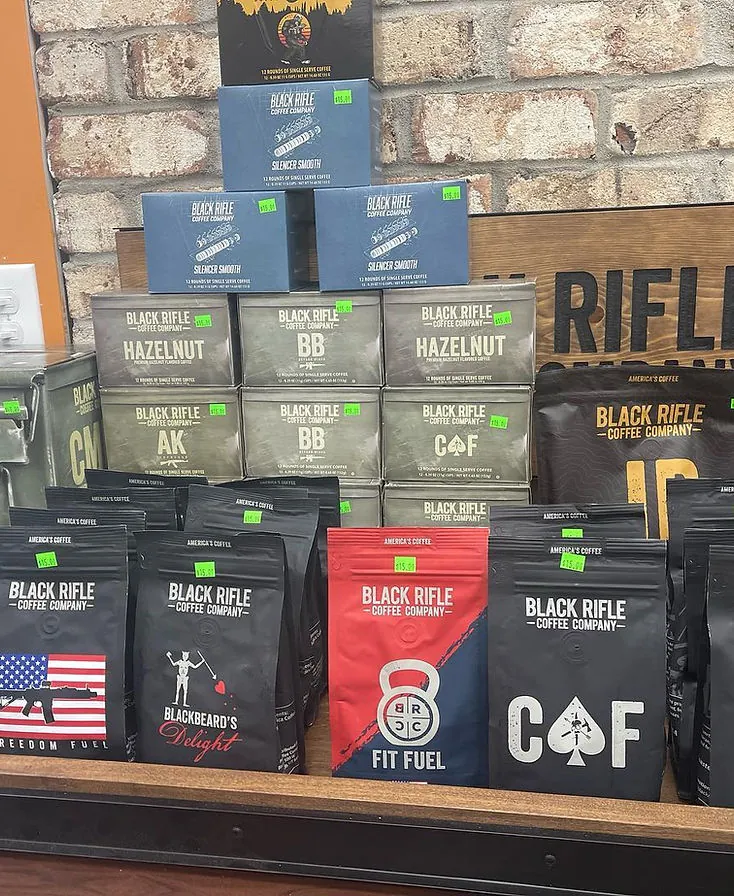
Walk into a well-stocked surplus store and you might find camping gear next to office furniture, power tools two aisles from kitchen appliances, and a random box of brand-name sneakers in the corner. It's genuinely all over the place. And that's kind of the point.
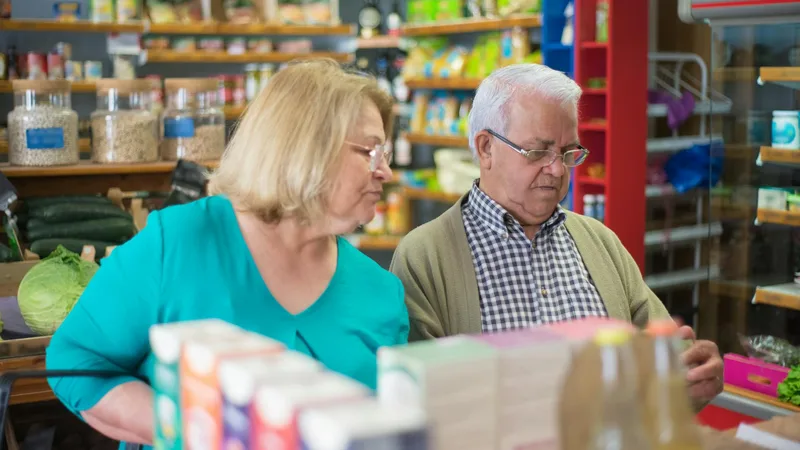
Go in without a strict shopping list. Surplus stores reward flexible shoppers. If you walk in determined to find one specific item, you'll probably leave disappointed. Go in curious, and you'll almost always leave with something worth buying.
The Psychology: Why Surplus Shopping Feels So Good
Here's something most retail analysts don't say out loud: surplus shopping is addictive. Not in a clinical, worrying way, but in the same way a good puzzle or a surprise package is addictive. Your brain genuinely responds differently to finding something unexpected at a great price than it does to buying something you planned for at a fixed cost.
Researchers who study consumer behavior call this the "treasure hunt effect." Every visit to a surplus store is a variable reward experience. You do not know what you'll find. That unpredictability actually triggers dopamine responses in the brain, the same basic mechanism behind why people enjoy slot machines or mystery boxes. Every time you walk in, there's a chance you'll find something amazing. And when you do, the satisfaction is much stronger than if you'd just bought it at a normal store.
Perceived value plays a big role too. Paying $25 for a piece of cookware that retails for $80 doesn't just feel like a good deal. It feels like a win. Your brain is comparing what you paid to what you could have paid, and the gap between those numbers is part of what you're buying. Standard retail doesn't give you that. Buying a $25 item at Target that's priced at $25 everywhere else feels completely neutral. Finding that same item at a surplus store for a fraction of the price feels like you beat the system.
And people talk about it.
Social sharing has become a meaningful driver of surplus store traffic. Shoppers post their finds on Instagram and TikTok, show friends what they got for almost nothing, and create a feedback loop of word-of-mouth referrals that most retailers would spend a fortune trying to replicate. One person's good experience brings in two more. That pattern compounds over time, and it shows up in the data. Stores like Drop Zone Military Surplus in Fayetteville, NC have accumulated 1,068 reviews with a perfect 5.0-star rating. That doesn't happen without a lot of people actively recommending the place to others.
The Economics of Surplus Retail: Why the Numbers Work
Surplus stores can offer dramatically lower prices because their cost to acquire inventory is fundamentally different from what traditional retailers pay. A standard retailer buys goods from a manufacturer or distributor at wholesale, marks them up to cover overhead and profit, and sells at a price that reflects that entire chain. Surplus stores skip most of that chain. They buy liquidation pallets, overstock lots, and returned goods at pennies on the retail dollar, sometimes as low as 10 to 20 percent of original retail value.
That cost structure means a surplus store can sell something at 50 to 70 percent off retail and still turn a healthy margin. That's not charity pricing. It's just a different model.
Inflation made this model significantly more attractive to everyday shoppers starting around 2021 and continuing through the mid-2020s. When grocery bills, rent, and gas are all climbing at the same time, people start looking harder for ways to cut spending without cutting quality. Surplus stores sit in a sweet spot: real goods, often brand-name, at prices that actually help a strained household budget. If you're also trying to cut food costs, it's worth checking out salvage grocery options in your area, which follow a similar model applied specifically to food and pantry staples.
Supply chain disruptions also pushed more businesses into liquidation situations. When shipping delays caused retailers to over-order certain products to compensate, many ended up with massive overstock they couldn't move at full price. That overstock had to go somewhere. Surplus retailers were ready to absorb it, and their inventory got richer as a result. Weirdly, the chaos of global supply chains actually stocked surplus stores better than they'd been in years.
From a business model standpoint, surplus retailers also benefit from high return visit rates. Because inventory rotates constantly and unpredictably, there's always a reason to come back. A customer who visits a surplus store once a month is checking for new stock, not just revisiting familiar shelves. That repeat traffic, driven purely by curiosity and the treasure hunt effect we talked about earlier, is something most traditional retailers struggle to create without constant sales and promotions.
Across 223 listed businesses, a 4.5-star average is not a fluke. That number reflects real, repeat customers who went out of their way to leave a positive review. In sectors where customers often only review when they're angry, a 4.5 average across hundreds of businesses signals genuine satisfaction at scale.
By the Numbers: Surplus Stores Across the Directory
Let's look at what the actual directory data shows, because it tells a more specific story than broad industry trends usually do.
Fayetteville, NC leads all cities in the Surplus Store Finder directory with 6 listings. That's not random. Fayetteville is home to Fort Liberty (formerly Fort Bragg), one of the largest military installations in the country, and military surplus is a major subcategory of surplus retail. Two of the highest-rated stores in the entire directory are right there: Drop Zone Military Surplus at 5.0 stars with 1,068 reviews, and Silverback Military Surplus also at 5.0 stars with 353 reviews. A city with a large military population creates strong, consistent demand for surplus gear, and the stores serving that community are clearly doing it well.
Columbus, GA follows with 4 listings, including Gibsons Tactical Tavern sitting at 5.0 stars from 123 reviewers. Houston, Las Vegas, and Jacksonville each hold 3 listings. That spread across mid-size and major metro markets tells you something useful: surplus shopping isn't only a rural or small-town thing. It has genuine traction in large urban markets where cost-conscious consumers are actively looking for value.
| Business Name | Location | Rating | Reviews |
|---|---|---|---|
| Drop Zone Military Surplus | Fayetteville, NC | ⭐ 5.0 | 1,068 |
| Silverback Military Surplus | Fayetteville, NC | ⭐ 5.0 | 353 |
| ARK Tactical Inc | Richmond, KY | ⭐ 5.0 | 218 |
| Gibsons Tactical Tavern | Columbus, GA | ⭐ 5.0 | 123 |
| HUSKY TACTICAL | Lakewood, WA | ⭐ 5.0 | 113 |
One thing worth pointing out about that top-five list: four of those five businesses are tactical or military surplus stores. That category carries a deeply loyal customer base. People who buy tactical gear, outdoor equipment, and military surplus tend to be researchers before they buy, and when they find a store they trust, they stick with it and review it enthusiastically. ARK Tactical in Richmond, KY has 218 perfect-rating reviews despite being in a smaller market. That's a dedicated local following built on genuine reliability.
The Sustainability Angle Is Real, Not Just Marketing
Younger consumers, particularly those in their 20s and early 30s, have become increasingly skeptical of fast retail and the waste it generates. A T-shirt manufactured in bulk, shipped across an ocean, worn twice, and thrown out is not an abstract environmental concern for this generation. It's something they've read about, seen documented, and actively want to avoid participating in.
Buying surplus goods is a direct response to that concern. When you buy something from a surplus store, you're giving a second (or first real) life to a product that otherwise might have ended up in a warehouse, an incinerator, or a landfill. Retailers destroy unsold inventory more often than most people realize. Large fashion brands have been caught doing it publicly and faced significant backlash. Surplus retail is, functionally, a way to rescue that merchandise before it gets wasted.
This connects to what economists and environmentalists call the circular economy: the idea that products should stay in use as long as possible rather than following a straight line from factory to trash. Surplus stores are a practical, accessible entry point into that model. You don't need to make dramatic lifestyle changes. You just shop differently.
And it's pulling in people who never would have considered a surplus store five years ago. Someone who shops at farmers markets and brings reusable bags to the grocery store is now also stopping at a surplus store because it fits the same values. That's a new customer segment that didn't historically overlap with surplus retail, and it's growing fast. The environmental motivation is real. Stores that communicate this angle clearly are attracting people who aren't primarily driven by price but who still want the savings as a bonus.
Technology Made This Easier Than It Used to Be
Finding a good surplus store used to mean knowing someone who knew someone. Word of mouth was basically the only discovery method. You either lived near one or you didn't know it existed.
That's changed completely. Online directories like the Surplus Store Finder, review platforms, and social media have made it genuinely easy to find reputable surplus stores in your city, read what other customers actually think of them, and get directions before you ever leave your house. That friction reduction is a bigger deal than it sounds. Consumer hesitation was always one of the main barriers to surplus retail growth. People worried about product quality, didn't know what to expect, and defaulted to familiar retail chains. Public reviews solved a lot of that hesitation. When you can see that Drop Zone Military Surplus has 1,068 reviews averaging 5.0 stars, you don't walk in nervous. You walk in ready to shop.
Surplus retailers have also gotten better at using social media themselves. Stores post new inventory arrivals on Instagram and Facebook, creating a sense of urgency: if you don't come in this week, those pallets of cookware or that rack of outdoor gear will be gone. That urgency is genuine, not manufactured, because the inventory really is limited and really does change. Smart stores have turned that scarcity into a marketing asset.
E-commerce has opened additional doors for surplus retailers who want to reach beyond their local area. Some list products on their own websites. Others sell on marketplace platforms. The ones doing it well are combining physical store experiences, which deliver the treasure hunt dopamine hit, with online channels that capture buyers who want specific items. It's not one or the other anymore.
Honestly, if a surplus store near you is not active on social media, that's a missed opportunity on their part. Stores that post even a few times a week see more foot traffic from it. Customers who follow along feel invested in what comes in next.
Where This Is Headed
Surplus retail is not a trend that's about to reverse. Several structural forces are all pointing in the same direction: persistent inflation keeping consumers cost-conscious, growing environmental awareness making surplus a values-aligned choice, and technology lowering the discovery barrier for new shoppers. Surplus stores sit at the intersection of all three.
Mid-size cities are an underserved opportunity. Fayetteville's strong market presence, built on military base proximity, shows what a focused local demand can produce. Other mid-size cities with clear demographic anchors, college towns, manufacturing hubs, outdoor recreation regions, have similar potential for surplus retail to grow. Entrepreneurs looking at this market should be paying attention to those gaps.
For consumers, the practical advice is simple: find a few surplus stores in your area using a directory, go in without expectations, and give it two or three visits before you decide whether it's for you. Most people who try it come back. Some become regulars who check in weekly. If you're already interested in value-focused food shopping too, browsing discount grocery stores that carry salvage and overstock food items is a natural companion habit. Same principle, different aisle.
Surplus shopping rewards patience and curiosity more than planning. That's actually what makes it different from almost every other retail experience available today. Everything else is optimized for speed and convenience. Surplus stores are optimized for surprise. And right now, a lot of consumers are finding that kind of shopping more satisfying than anything else on offer.
Frequently Asked Questions
Are surplus store products safe to buy?
Most surplus goods are safe and perfectly usable. Customer returns and overstock items are typically in good condition. For items like electronics, it's worth asking whether they've been tested. For food-adjacent products, check expiration dates as you would anywhere. Stores with high ratings and large review counts, like the 5.0-star businesses in this directory, have proven track records of selling quality merchandise.