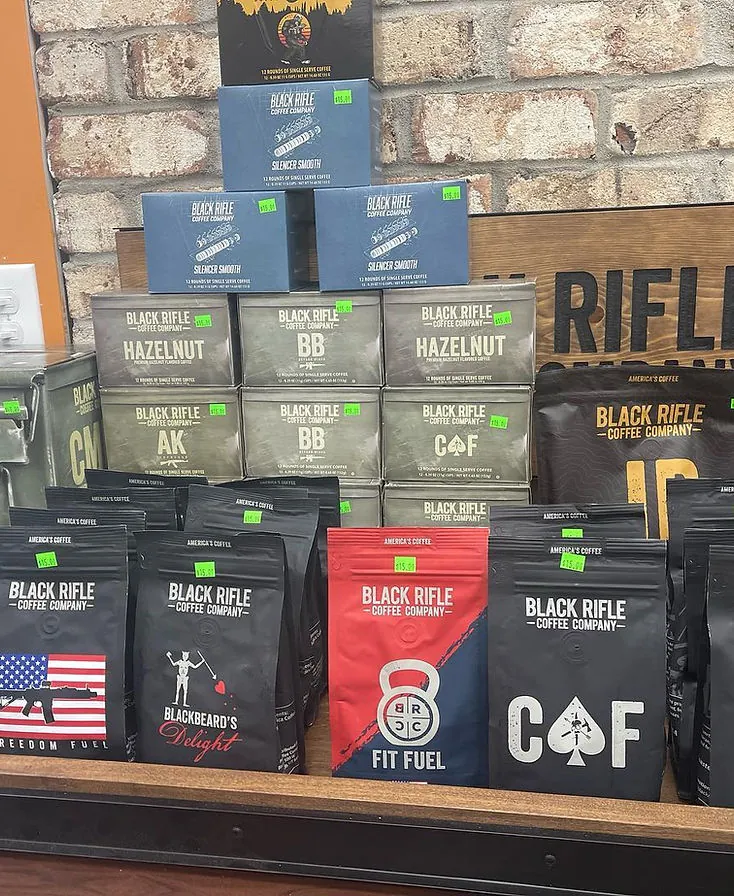
Upcoming Surplus Store Events: What to Know for 2024
Three hundred and twenty-eight surplus stores are listed across the Surplus Store Finder directory right now, and if you haven't been paying attention to what these places are doing with their event calendars this year, you're leaving serious money on the table. We're not talking about a random garage sale vibe. We're talking about organized liquidation events, warehouse clearance days, and overstock blowouts where the inventory can run from military gear to brand-name electronics to furniture, all moving fast and priced to go.

Surplus store events have been around for decades in one form or another. They grew out of a simple problem: too much stuff, not enough shelf space, and a need to move inventory before the next truckload arrives. What's changed in recent years is the scale. Retail returns in the US now generate hundreds of billions of dollars in merchandise annually, and a huge portion of that product ends up flowing through surplus and liquidation channels. That means the stores in this directory are getting better, more varied inventory than they were five or ten years ago. And their events are drawing bigger crowds because of it. This article covers the types of events you'll find, where they're happening, what to expect when you walk in the door, and how to actually prepare so you don't just wander around hoping something good falls into your hands.
Types of Surplus Store Events to Watch For in 2024
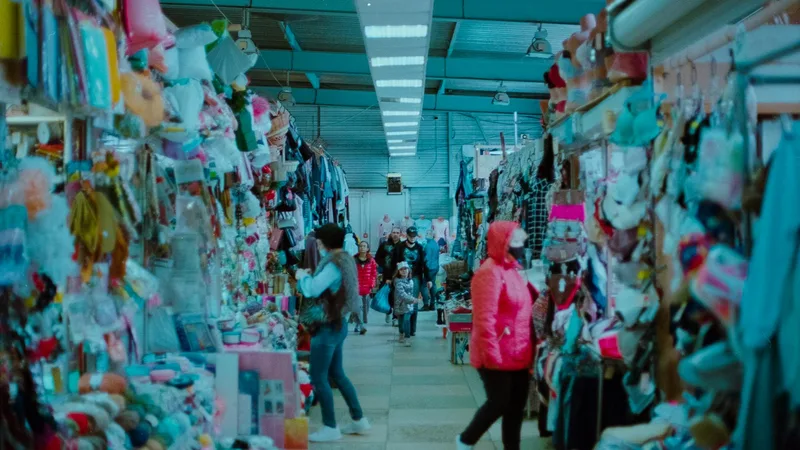
Not all surplus store events are the same, and mixing them up will lead to disappointment. There are really four main formats you'll run into, and each one plays by different rules.
Liquidation sales are the big ones. These happen when a store needs to clear out a specific lot of merchandise, often because it came in as a bulk purchase from a retailer, a government agency, or a warehouse closeout. You'll see everything from sealed boxes to loose items in bins, and pricing tends to be aggressive because the goal is volume. Get it out, get it gone. These events can last anywhere from a single day to a full week, depending on how much inventory there is to move.
Overstock clearance events are a little different. These are tied to a store's own regular inventory that's been sitting too long. Think of a surplus store that picked up five hundred units of a particular kitchen appliance six months ago, sold three hundred, and now needs the floor space. They'll run a clearance event specifically around that category, sometimes with deeper discounts on day two or three to make sure nothing's left standing. A lot of resellers love these because the product tends to be more uniform and easier to evaluate quickly.
Seasonal blowouts happen on a schedule you can actually predict. After the holidays, spring changeover, back-to-school season ending, these are natural pressure points where surplus stores get flooded with returns and leftover stock from retail chains. Mark your calendar for January, late August, and early November. Those windows historically produce some of the best event pricing of the year.
Warehouse open days are a different animal entirely. Some stores, especially military surplus and government surplus operations, will open their actual storage facilities to the public on specific days. You're walking through a working warehouse, not a retail floor. Pallets stacked to the ceiling, forklifts moving in the background, no music, no signage worth mentioning. It's chaotic in the best possible way if you know what you're looking for. If you don't, it can feel overwhelming fast.
One-time pop-up events versus recurring promotional sales is a distinction worth making too. Pop-ups are tied to a specific lot or opportunity and may never repeat. Recurring sales, which established stores often run monthly or quarterly, are more predictable and easier to plan around. Stores with longer histories and higher review counts in the directory tend to run the recurring type, which is one reason why checking ratings before you drive somewhere matters.
A Look at the Numbers Behind the Directory
Here's where things get genuinely interesting from a planning standpoint. Surplus Store Finder currently lists 328 businesses, with an average customer rating of 4.5 stars across the network. That average is higher than most people expect. Honestly, 4.5 across hundreds of listings is kind of remarkable for a retail category that has historically had a spotty reputation. It suggests the stores getting listed and staying listed are the ones doing things right.
Breaking it down by city tells you where to focus your energy. Fayetteville and Columbus both lead with 6 listings each. Jacksonville comes in at 5, Gainesville at 4, and Las Vegas at 3. More listings in a city means more competition among stores, which tends to push events to be more aggressive on pricing and frequency. If you live near or can travel to Fayetteville or Columbus, your calendar for surplus events in 2024 should look pretty full.
And some of the individual businesses in this directory are genuinely exceptional. Drop Zone Military Surplus in Fayetteville, NC carries a 5.0-star rating across 1,068 reviews. That's not a handful of happy customers, that's over a thousand people saying this place delivers. Silverback Military Surplus, also in Fayetteville, holds a 5.0 with 352 reviews. ARK Tactical Inc in Richmond, KY sits at 5.0 from 220 reviewers. Gibsons Tactical Tavern in Columbus, GA has 123 reviews at 5.0 stars, and HUSKY TACTICAL in Lakewood, WA rounds things out at 5.0 from 114 reviews.
| Business Name | Location | Rating | Reviews |
|---|---|---|---|
| Drop Zone Military Surplus | Fayetteville, NC | 5.0 ★ | 1,068 |
| Silverback Military Surplus | Fayetteville, NC | 5.0 ★ | 352 |
| ARK Tactical Inc | Richmond, KY | 5.0 ★ | 220 |
| Gibsons Tactical Tavern | Columbus, GA | 5.0 ★ | 123 |
| HUSKY TACTICAL | Lakewood, WA | 5.0 ★ | 114 |
What's worth noticing about that geographic spread is that several of these top-rated stores sit near military installations. Fayetteville has Fort Liberty (formerly Fort Bragg). Columbus, Georgia sits right next to Fort Moore. That's not a coincidence. Military surplus as a category has deep roots in those communities, and the stores that serve them have had years, sometimes decades, to build reliable reputations. When one of these surplus stores hosts an event, they're drawing from a customer base that actually knows what they're looking at.
How to Find Surplus Store Events Near You
Start with the directory itself. Searching by city gives you a fast list of what's available in your area, and filtering by rating lets you cut straight to stores with strong track records. A store sitting at 4.5 stars or above with a decent review count is almost always a better event bet than one with two reviews and a shrug-worthy rating. Use that filter.
Beyond the directory, follow these stores on social media. Facebook in particular is where a lot of surplus and liquidation businesses announce upcoming events, often with a few days' notice or less. Some stores don't advertise heavily because they don't need to. Word spreads fast in bargain-hunting communities, and if you're not already plugged in, you'll find out about the good events after they've happened. Instagram is useful for visually previewing inventory types, even if event announcements there are less consistent.
Email newsletters are underrated. Most people ignore them, which means you'll have a genuine edge if you actually sign up for updates from stores you're interested in. Some surplus stores send out preview photos of incoming lots before they even set up for the event. That's a huge advantage if you're a reseller trying to decide whether a specific event is worth your time.
Local community boards, both online like Nextdoor and physical ones at libraries or community centers, still get used for this kind of announcement in smaller markets. Gainesville with 4 listings and Las Vegas with 3 are smaller markets in terms of directory density, so community-level awareness matters more there than it would in a city like Fayetteville where you've got 6 stores competing for your attention.
Cross-reference the directory with a store's Google Maps page. Recent photo uploads and Q&A activity are good signals that a store is actively hosting events and has an engaged customer base. If the last photo was uploaded three years ago, that's information too.
What to Expect When You Walk Through the Door
Walking into a surplus store event for the first time, especially a large warehouse-style one, can feel genuinely disorienting. There's a lot going on. Bins overflowing with mixed product. Racks of clothing with no particular order. Pallets that haven't been fully broken down yet. Staff moving inventory while customers are already picking through it. It's controlled chaos, and once you get used to it, it's actually kind of exciting.
Pricing structures vary a lot by event type. Flat-rate bin sales are common at liquidation events: everything in a bin costs the same amount, whether it's a phone charger or a blender. You're betting on volume and variety. Tiered daily discounts are another model you'll run into, where prices drop a set percentage each day the event runs. Day one is full event price, day three might be fifty percent off, day five might be bag-sale pricing. Resellers tend to hit day one for the best selection. Personal shoppers hunting deals often wait for day three or four.
Lot sales are aimed squarely at resellers. You're bidding on or buying a pallet or a grouped set of items as a single unit, sight unseen or partially inspected. High risk, potentially high reward. Not for the faint of heart, and definitely not for someone without storage space and a plan for moving product.
Practical realities that catch first-timers off guard: signage is minimal or nonexistent at many events. No-return policies are standard. Cash is preferred and sometimes required, so ATM fees are a real cost to factor in. Parking lots at big events fill up fast, and showing up thirty minutes before doors open is not too early. Seriously, some regulars arrive an hour early and stand in line.
One thing that surprises a lot of newcomers is how physically demanding these events can be. You're lifting, sorting, bending, carrying. Wear comfortable shoes. Bring a hand truck if you're planning to buy heavy items. Some stores have carts available but not always enough of them.
How to Prepare and Actually Get the Most Value
Research the store's inventory focus before you go. A military surplus store's clearance event is going to be very different from a retail returns liquidation. Checking the store's listing in the directory and their social media gives you a sense of what categories they typically carry. Going in with zero idea of what you'll find is fine if you're just browsing, but if you have specific goals, do a little homework first.
Bring cash. Bring more cash than you think you'll need. Bring reusable bags or totes, several of them. Set a spending limit before you leave the house and actually stick to it, because the environment at these events is specifically designed, even if unintentionally, to make you keep grabbing things.
For resellers, the categories that consistently deliver strong margins at surplus events are electronics, tools, and name-brand clothing. Electronics because even broken or incomplete items have parts value. Tools because they're durable, easy to test quickly, and sell well online. Clothing because the markup potential on name brands found at flat-rate bins can be substantial, especially for smaller or specialty sizes that are undervalued in a general crowd. Household goods and kitchen items are solid too, though they're bulkier to transport and store.
For personal shoppers, the value proposition is different. You're buying for use, not resale, so condition matters more and brand less. Clothing for outdoor or work use, basic kitchen gear, tools for home projects, and storage solutions tend to offer the best practical value at these events.
Prioritize stores with strong ratings when you're choosing which events to attend. Using the directory's 4.5-star average as a benchmark makes sense. A store rated well above that, especially one like Drop Zone Military Surplus with over a thousand reviews at a perfect score, is running events worth attending regardless of what the specific inventory is that week. The infrastructure, the organization, and the customer experience are just going to be better.
Speaking of stretching a budget across multiple categories, if you're also a fan of discount grocery shopping, browsing salvage grocery options in your area can be a smart companion to your surplus store runs. Some of the same discount-hunting principles apply, and pairing both into a single outing can stretch a modest budget pretty far.
Before you go: Research the store's typical inventory. Check their rating and recent reviews. Confirm event hours and any entry requirements.
What to bring: Cash (more than you think). Reusable bags or totes. Comfortable, closed-toe shoes. A hand truck for heavy buying. A written spending limit.
Mindset to bring: Patience. Flexibility. An eye for condition, not just category.
Frequently Asked Questions
How often do surplus stores hold special events?
It varies by store size and inventory flow. Smaller stores might run a clearance event quarterly. Larger operations with consistent incoming inventory, like the stores in Fayetteville and Columbus where listing density is highest, may run monthly events or even more frequent bin sales. Following stores on social media and signing up for newsletters is the most reliable way to stay current. The directory's top-rated stores tend to run events more regularly because consistent activity is part of what drives strong reviews in the first place.
Are surplus store events open to the public?
Most are, yes. General liquidation and overstock events are typically open to anyone who shows up. Some warehouse open days or lot sales do require registration in advance or have a reseller focus, meaning they expect buyers to purchase in volume. Check the store's listing and social media before assuming you can just walk in. A quick phone call the day before also never hurts.
What kinds of inventory will I find at these events?
Depends heavily on the store type. Military surplus stores in places like Fayetteville tend to carry gear, clothing, tools, and tactical equipment. Retail return liquidators will have a much broader mix: electronics, housewares, toys, clothing, seasonal items. Government surplus events can include office furniture, vehicles, and equipment. In practice, the top-rated stores in the directory tend to have clear descriptions of their inventory focus, so reading those before attending saves time.
Can I return items bought at a surplus store event?
Almost always no. No-return, no-exchange policies are standard at these events. Everything is sold as-is. That's a core part of the pricing model, items are cheap partly because you're accepting the condition risk. Inspect what you can before buying. For electronics specifically, ask if there's any way to test before you leave the premises. Some stores allow it, many don't.
Is it worth traveling to a high-listing city for a surplus event?
For serious resellers, absolutely yes. Cities like Fayetteville with 6 listings and Columbus with 6 listings offer enough event variety that you can hit multiple stores in a single trip. The 4.5-star average across the directory means a high percentage of these stores are worth your time. Mapping out three or four stops in a single city and budgeting a full day is a legitimate and common strategy among experienced surplus shoppers.
How do I know if a surplus store event is legitimate?
Stick to businesses listed in verified directories and cross-check reviews on multiple platforms. A store with hundreds of reviews at 4.5 stars or above is not running a scam. Newer stores with few reviews deserve more caution. The Surplus Store Finder directory's network average of 4.5 stars is a strong baseline filter. If a store is significantly below that average and still showing up in searches, read those reviews carefully before going.
One more thing worth mentioning: some of the best surplus store event finds aren't in the big-ticket categories at all. You'll stumble across something weird and useful you didn't know you needed. A specific brand of work gloves in bulk. A discontinued piece of camping equipment in perfect condition. That's the part no guide can fully prepare you for, and honestly, it's a big part of why people keep coming back.
More Ways to Save
Find Surplus Stores Near You
Browse our directory of 328+ businesses across top cities like Fayetteville, Columbus, Jacksonville, and more. Filter by rating, location, and store type to find your next event.
Search the Directory