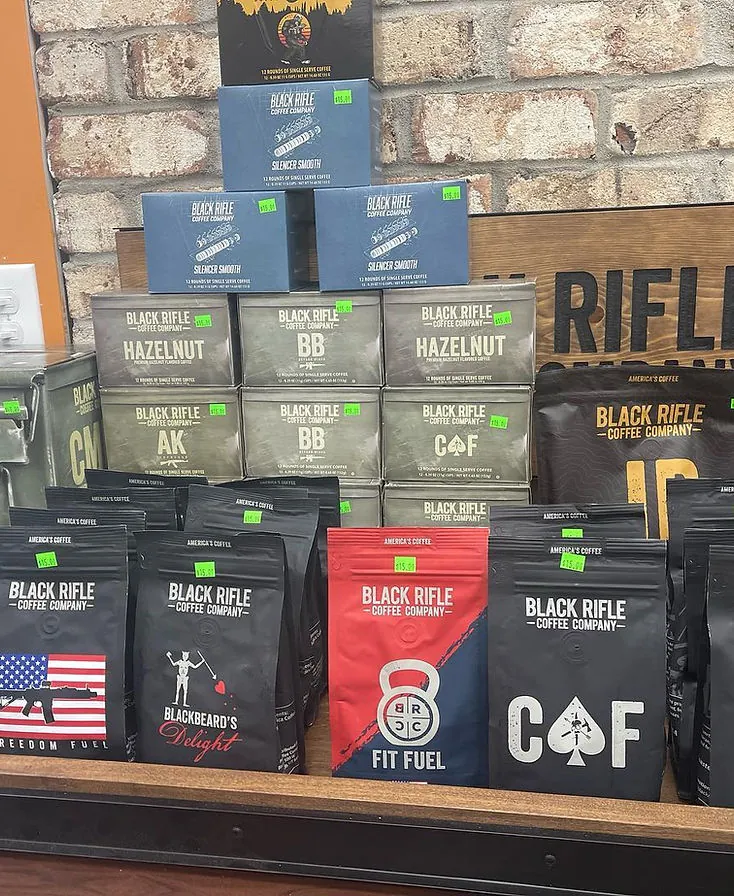
Bigger Carts, Better Deals: The Real Math Behind Buying in Bulk at Surplus Stores
Most Shoppers Leave Money on the Table
328 verified surplus store listings averaging 4.5 stars. That is a lot of places selling a lot of product, often at prices that already beat retail by 30 to 60 percent. And yet plenty of people walk out having saved far less than they could have, simply because they picked up one unit when the store would have happily sold them six at a steeper discount.
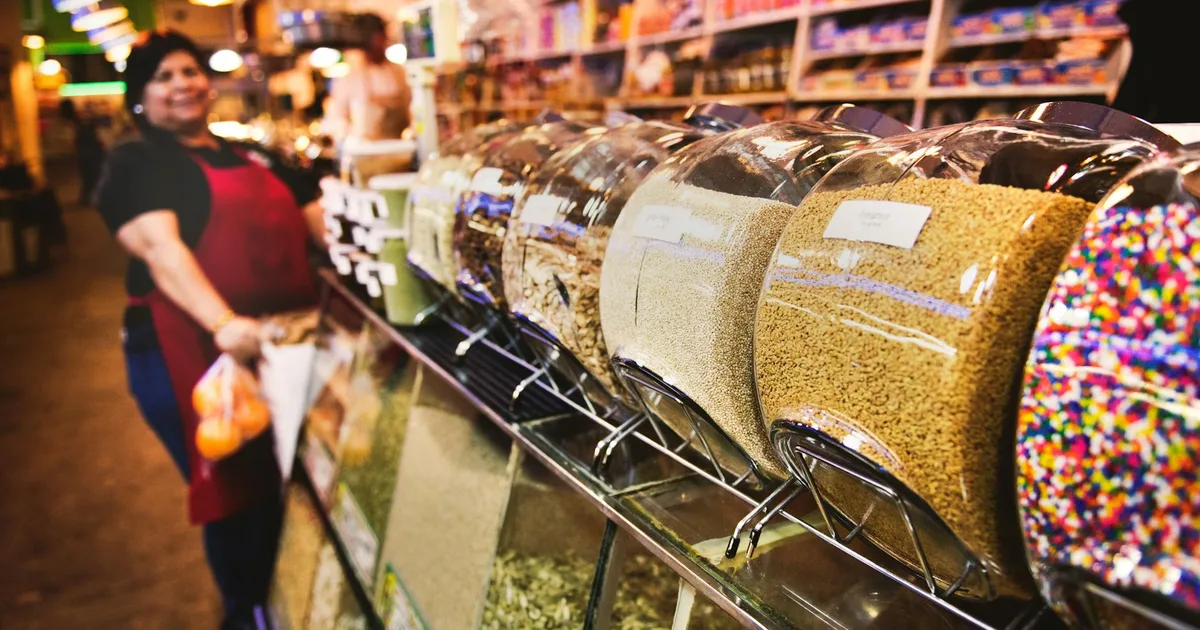
It happens constantly. Someone grabs a single box of zip-lock bags, pays the sticker price, and heads home. Meanwhile, the person behind them asks about buying a case and walks out paying roughly half as much per unit. Same store. Same product. Very different outcome.
Surplus stores are not like grocery chains where the price is the price and the shelf tag is final. These places move overstock, closeout goods, and liquidated inventory. They want volume gone. That is actually good news for anyone willing to ask questions and buy a little more than they originally planned.
Why Bulk Discounts Exist Here in the First Place
Understanding the business model helps. Surplus stores acquire goods in large lots, often from manufacturers clearing warehouse space or retailers offloading seasonal overstock. They paid for the inventory in bulk themselves, and holding it costs money every day it sits on a shelf.
So when you offer to take a bigger quantity off their hands, you're actually doing them a favor. Not a small one, either. A staff member who would have spent three weeks slowly selling individual units can close out a pallet section in one transaction. That matters to them.
This is why the discount structure at surplus stores tends to reward quantity more aggressively than, say, a big-box retailer. You are not just getting a loyalty perk. You are solving a logistics problem for the store, and they will often price that accordingly.
Worth noting: not every surplus store has a formal bulk pricing policy posted on the wall. Some of the best deals come from simply asking the manager on duty. Do not assume the shelf price is fixed.
How to Actually Use This When You Visit
Start before you leave home. Make a list of items you genuinely use in quantity: paper towels, cleaning supplies, canned goods, batteries, trash bags, bottled water, pet food. These are the categories where buying more makes practical sense and where surplus stores routinely have deep stock.
Bring a rough budget ceiling for bulk buys, separate from your normal spending money. Say you're comfortable spending an extra $40 if something is priced right in quantity. Having that mental budget already set means you won't hesitate when you spot a good deal on 12 bottles of dish soap for $14.
Honestly, the first time you do this it feels slightly awkward asking a store employee "what's the price if I take all of these?" But it works. More often than not, a number gets written on a receipt and it's lower than you expected.
Once you're in the store, check the date codes on anything perishable before committing to a large quantity. Surplus stores are excellent places to find food items near or at their best-by date, which is fine for most products but only useful if you'll actually go through the quantity before that date. Buying 24 cans of soup is a great deal. Buying 24 cans of soup that expire in two weeks is a different situation entirely.
Ask about split-case pricing too. Some surplus stores will break down a case and sell you half at a partial bulk rate. Not all will, but it's a reasonable ask, especially on higher-ticket items.
Real Examples Worth Looking For
Cleaning products are consistently the best bulk category at surplus stores. Multi-surface sprays, floor cleaners, dish soap, and laundry detergent show up frequently in overstock lots, and a store sitting on 200 bottles of the same product will move them fast if someone offers to take 20 at once.
Paper goods are another strong category. Toilet paper, paper towels, and napkins from name brands sometimes appear in surplus inventory when packaging changes mid-year and retailers return unsold stock. Buying a full case here versus buying individual rolls at a grocery store can cut your annual spend on those items noticeably.
One thing worth mentioning: I walked through a surplus store recently that had an entire section of energy drinks, six different brands, stacked floor to ceiling, all within a month of their best-by date. They were selling individual cans for 25 cents. A flat of 24 was $4. That kind of math doesn't show up at the grocery store.
Office supplies are underrated in this context. Pens, tape, manila folders, printer paper. These are items with no expiration concern, long shelf life, and fairly predictable personal use. Buying in bulk here is almost always the right call.
Wait, that is not quite right to say "always." If storage space is genuinely limited, buying 10 reams of printer paper when you have nowhere to put them creates a different kind of problem. The bulk strategy works best when you have space to match the quantity.
Frequently Asked Questions
- Do surplus stores always offer bulk discounts? Not always, and not always in writing. Many stores will negotiate informally, especially if you're asking about a quantity that makes a real dent in their inventory. It costs nothing to ask.
- How do I find surplus stores near me that carry high-stock categories? Surplus Store Finder lists 328+ verified locations with ratings, so filtering by your area and reading recent reviews is a practical starting point. Reviews often mention what a store tends to carry in quantity.
- Is buying in bulk at surplus stores safe for food items? Generally yes, but check date codes carefully. Many surplus food items are fully within their date range and just as good as anything on a grocery shelf. The discount reflects the nature of the inventory, not a problem with the product.
- What if I can't use the quantity before it expires or wears out? Split the purchase with a neighbor, friend, or family member. Dividing a bulk buy between two households is a simple way to get the per-unit discount without either party ending up with too much.
- Should I always try to negotiate? Asking politely is different from negotiating aggressively. A simple "is there a better price if I take more of these?" is a perfectly normal question at a surplus store and will not offend anyone
More Ways to Save