Every Aisle Has a Story: Finding the Good Stuff in Surplus Stores
You walk in, grab what you came for, and leave. Most people do. But that approach means you're probably walking past shelves loaded with genuinely useful items at prices that would seem absurd anywhere else. Surplus stores reward the patient ones, and there's a real method to browsing them well.
This isn't about wandering aimlessly. It's about knowing where to look, what to look for, and why slowing down pays off.
1. Start at the Back and Work Forward
Most people drift toward the front displays. That's where stores put the obvious stuff, the easy sells. But the back shelves? That's where things get interesting.
Surplus stores receive irregular stock. Nobody plans the inventory the way a regular retailer does, so items end up placed wherever there's space. A box of brand-name hand tools might sit next to camping gear. A set of kitchen appliances could be tucked behind seasonal décor. Because these stores don't follow a predictable layout, the back aisles often have the least foot traffic and the most overlooked finds.
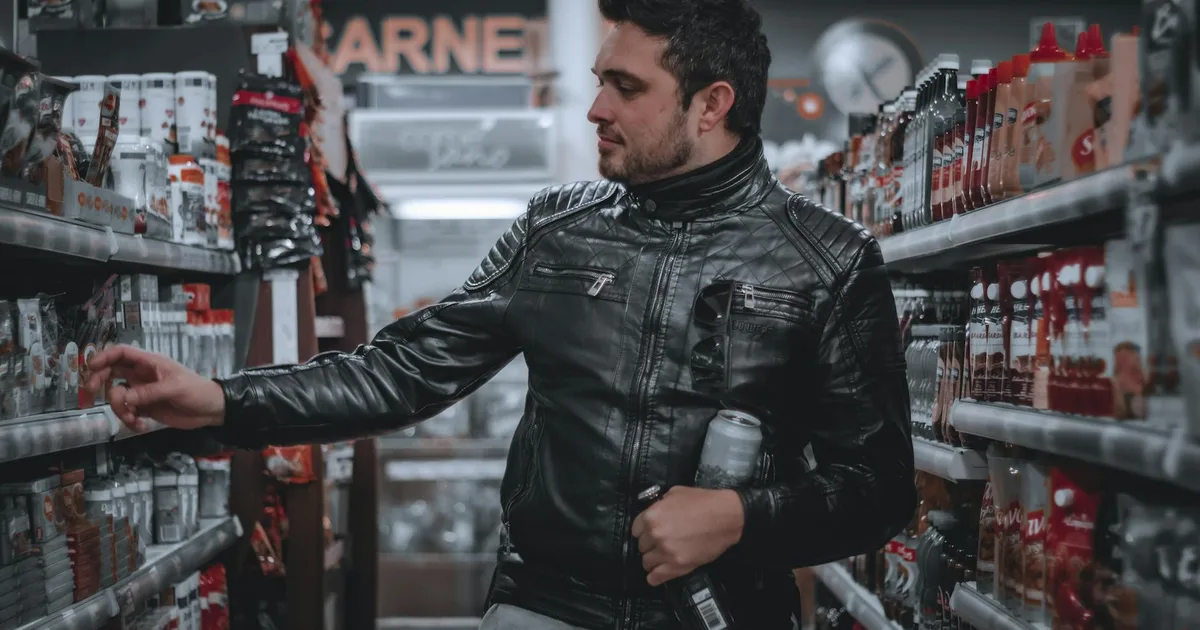
Walk the perimeter first, then cut through every row from back to front. It takes maybe 15 extra minutes, but that's the difference between finding a $4 ratchet set and leaving empty-handed. Honestly, the back corner is almost always worth it.
Also, check lower shelves. People browse at eye level. Items on the bottom shelf, especially boxed goods, often sit untouched for days. Those are frequently the ones with the biggest discount stickers.
2. Know What "Hidden Gem" Actually Means Here
Not every discounted item is a find. Some things are discounted for good reason: damaged packaging, discontinued products nobody wanted, or items that just didn't sell anywhere else. Knowing the difference matters.
A hidden gem in a surplus store is typically one of three things: a name-brand item with cosmetic damage only (dented box, torn wrap, no functional issues), overstock from a major retailer that arrived in perfect condition, or a discontinued product that still works exactly as it should. All three can be excellent buys. The key is inspecting before you commit.
With 328+ verified listings across Surplus Store Finder, you're looking at a wide range of store types and inventory styles. Some surplus stores specialize in grocery and household goods. Others lean into tools, hardware, or outdoor equipment. Knowing which type of store you're in helps you calibrate your expectations for what a "gem" looks like in that specific place.
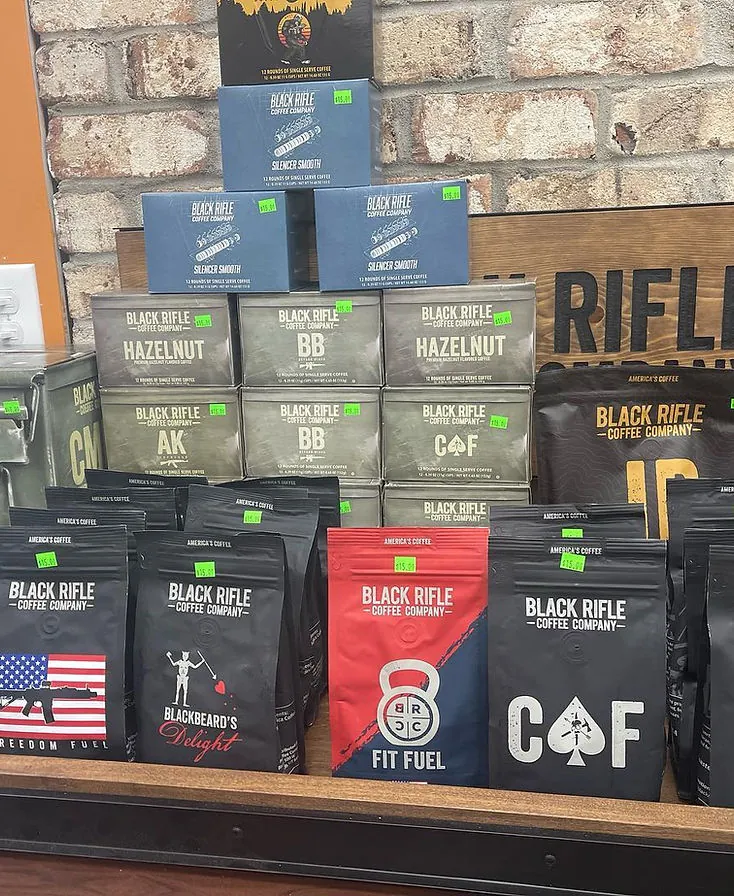
Read the tags carefully. Many surplus stores use color-coded sticker systems for discount levels, but they don't always explain the system clearly. Ask a staff member what the colors mean. Takes 30 seconds and saves a lot of confusion at the register.
3. Handle Things. Actually Handle Them.
This one sounds obvious. It's not always practiced.
Pick up the item. Open the box if it's already been opened. Check that all parts are present. Look for a visible defect versus a functional one. A scratch on a slow cooker lid doesn't matter. A warped lid that won't seal does. Surplus shopping requires a bit more hands-on attention than grabbing something off a shelf at a regular store, and that's fine once you know to expect it.
For electronics and small appliances, look for stores that allow you to test items before buying. Some do, some don't. The ones that do are worth spending more time in. A working blender at 60% off is a great deal. A broken blender at 60% off is just a broken blender.
Wait, that's not quite right to say "some don't" without context. Plenty of surplus stores have a strict no-returns policy on opened electronics specifically because of this. Check the store's return policy before you buy anything you can't test on the spot. It's usually posted near the register or on a sign near the electronics section.
4. Come Back More Than Once
Surplus store inventory turns over fast. Sometimes very fast.
A store that had nothing interesting on Tuesday might have a pallet of discounted cookware on Friday. Stock arrives unpredictably, and the stores with the best finds are often the ones you visit regularly rather than once and forget. Building a loose routine around two or three local surplus stores pays off over time in a way that a single visit rarely does.
If a store has a loyalty program or an email list, sign up. Some of the better-rated stores on Surplus Store Finder notify regulars when big shipments arrive. That kind of early access matters when everyone else is looking for the same deals.
One more thing worth mentioning: parking lots at surplus stores often give you a preview. A truck or pallet jack near the loading area usually means fresh stock just came in. Not a guarantee, but a decent signal that it's worth going in.
Browse the listings on Surplus Store Finder to find a verified surplus store near you. Read the reviews, check the ratings, and give one of these places a real visit. Go slow. Go through every aisle. You might be surprised what's been sitting there waiting.