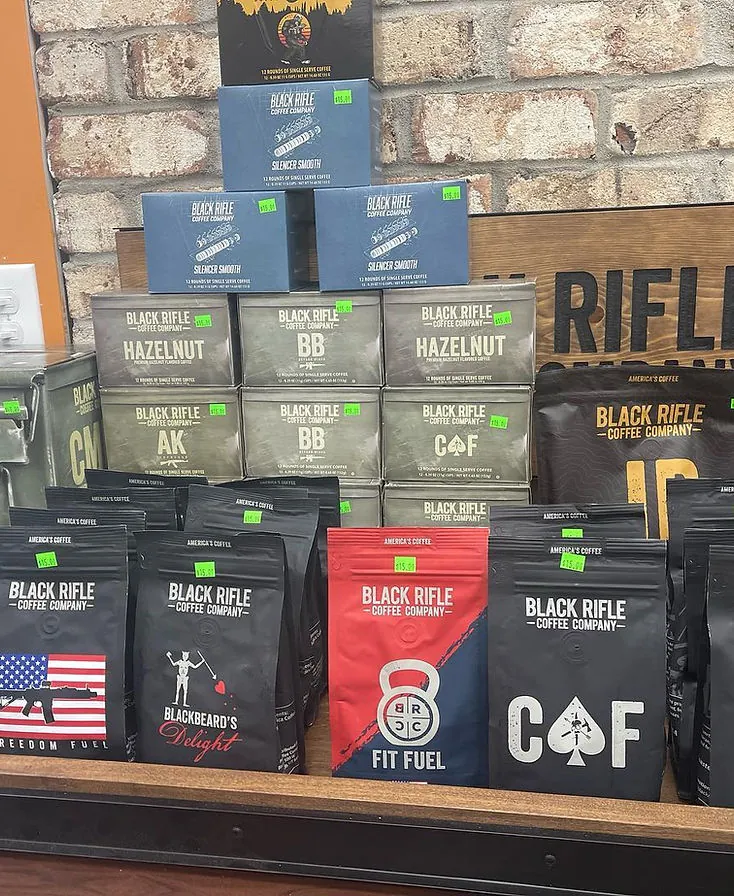
Genuine Goods or Clever Knockoffs? How Surplus Stores Actually Verify What They Sell
You've probably been burned before. You spot a brand-name tool, a familiar cleaning product, or a packaged food item at a price that seems almost too good. You buy it, get home, and something feels off. The label is slightly wrong. The product doesn't perform the way it should. Or worse, you can't tell if it's the real thing at all. That nagging doubt is one of the most common frustrations people have with surplus and overstock retail, and it's completely fair.
That's exactly why product authenticity verification exists as a formal standard at Surplus Store Finder. It is not just a checkbox. It's a process that affects which surplus stores make it into the directory and which ones don't.
What "Verified Authentic" Actually Means for Surplus Products
Surplus merchandise has a reputation problem. Because these goods often come from liquidation sales, manufacturer overruns, or discontinued product lines, some people assume that "surplus" is a polite word for "suspicious." That assumption isn't always wrong, by the way. There are real bad actors in this space who mix counterfeit items into legitimate overstock and hope nobody looks closely.
But genuine surplus is a completely different animal. Real overstock comes directly from manufacturers, authorized distributors, or major retailers clearing out inventory. Products are intact, unused, and original. They just didn't sell through normal retail channels for reasons that have nothing to do with quality.
So when a surplus store listing on this directory carries a "verified" status, it means the store has demonstrated that its inventory sources are traceable. Staff can point to documentation. Products match manufacturer specifications. There's no funny business with repackaged goods or relabeled items.
One practical thing you can do: when you're at a surplus store, look for lot numbers and country-of-origin markings that match what the manufacturer actually produces. If a product claims to be made in a specific country but the lot code format is unfamiliar, that's worth a second look. Verified stores tend to carry goods where these details check out.
Why Counterfeits End Up in Surplus Channels in the First Place
Here's a reality that most surplus store guides skip over entirely. Counterfeit goods don't just show up at shady flea markets. They enter legitimate-looking supply chains because surplus buying is often done in bulk, quickly, and at volume. A buyer purchasing a pallet of 500 units of a household product does not always have time to inspect every single item against manufacturer specs.
That's where the problem starts.
Small-scale operators, in particular, can end up with mixed pallets that include some percentage of non-genuine goods without even knowing it. They bought from a broker who bought from another broker. By the time the product hits the shelf, the paper trail is long gone. In practice, the store owner might be acting in complete good faith and still be selling something that doesn't meet the original manufacturer's quality standards.
Stores listed across the 328+ verified listings in this directory are held to a different standard. Part of the verification process involves confirming that a store's sourcing relationships are direct enough to make traceability possible. That doesn't mean every single product gets tested in a lab. It means the store can account for where its inventory came from.
And honestly, that accountability alone filters out a huge chunk of the problem.
Reading a Surplus Store the Right Way
Walk into a well-run surplus store and you'll notice specific things pretty quickly. Pricing is consistent within product categories. Items have original manufacturer packaging, not resealed boxes with handwritten labels. Staff know what they're selling well enough to answer basic questions about a product's origin.
Contrast that with a store where nobody can tell you where a particular brand came from, prices seem random, and packaging looks like it's been opened and reclosed. Those aren't always red flags for counterfeits specifically, but they're signs that inventory management is loose. Loose inventory management and product authenticity rarely coexist for long.
Two things worth doing before you buy anything significant at a surplus store: check the manufacturer's website for the product's current packaging design, and compare the UPC code on the item to what shows up in a basic product lookup. Genuine surplus goods will match. Knockoffs often don't, because counterfeiters work from older packaging templates or simply get small details wrong.
Good surplus stores actually welcome this kind of scrutiny. They've got nothing to hide.
What Verified Listings Tell You Before You Even Walk In
Ratings matter here, and a 4.5-star average across a directory of this size is not an accident. It reflects repeated positive experiences from real buyers who got what they expected. Authentic products, accurate descriptions, no unpleasant surprises when they got home.
Wait, that's not quite right to say it's just about star ratings. Typically, the rating is the outcome. As a rule, the verification process is the reason the outcome is consistent.
A listing that carries verified status at Surplus Store Finder has passed a baseline review that covers sourcing transparency, product condition standards, and adherence to manufacturer quality expectations. That's a meaningful bar. Plenty of surplus operations don't meet it, which is exactly why they're not listed.
Before visiting a new surplus store from the directory, check the listing for specific notes about product categories. Some stores specialize in electronics surplus and have stronger verification processes for those goods. Others focus on household goods or food-adjacent products where different standards apply. Matching the store's specialty to what you're looking for is a smarter approach than just picking the closest location.
Verified surplus stores also tend to have clearer return or exchange policies for the rare case where something doesn't meet expectations. That policy is itself a signal of confidence in their inventory.
- Look for listings that specify sourcing relationships with named manufacturers or distributors.
- Check user reviews for mentions of product quality, not just price or service.
- Prefer stores that list their product categories clearly; vague listings sometimes mean inconsistent inventory.
- If a deal seems dramatically below any comparable price anywhere, ask the store where the product originated before buying.
Surplus shopping done right is genuinely one of the better ways to buy quality goods at a lower cost. But "done right" means knowing that the goods are real. That's not a small thing. It's the whole point.