How to Find the Best Surplus Stores in Your Area: A Practical Guide for Smart Shoppers
You have probably done this at least once: you need a specific piece of gear, a box of office supplies, or some industrial equipment, and you spend twenty minutes on a big-box retailer's website paying full price for something you instinctively feel should cost half that. Or maybe you've heard vague rumors about "surplus stores" from a coworker or a Reddit thread, but you are not quite sure what they actually sell, whether they are worth the trip, or how to even find a good one near you. That frustration is real, and it's more common than you'd think.
This guide is for bargain hunters, small business owners buying supplies in bulk, resellers looking for inventory at a fraction of wholesale cost, and honestly anyone who is tired of paying retail prices for things that don't need to be that expensive. By the time you finish reading, you'll know exactly what surplus stores sell, how to find the best ones using an online directory, what to look for before you make the drive, and which cities are currently loaded with options worth visiting.
1. Understanding What Surplus Stores Sell (And Why They're Worth Finding)
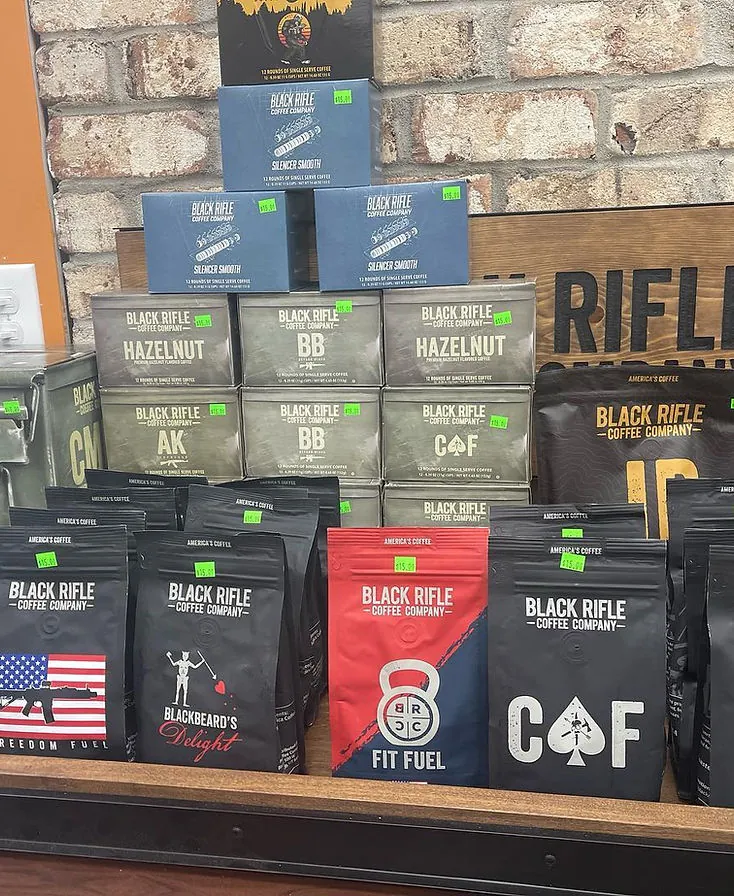
Surplus stores are not thrift stores. That distinction matters more than people realize, and conflating the two leads to a lot of missed opportunities. Thrift stores like Goodwill or Salvation Army collect donated goods from the general public. Surplus stores, on the other hand, source their inventory from very specific channels: government agencies offloading excess equipment, retailers clearing out overstock that didn't sell, manufacturers liquidating discontinued product lines, military branches releasing gear and vehicles, and industrial companies selling off machinery when operations change. The goods are almost always new or lightly used, and they arrive in volume.
There are a few main categories worth understanding before you start searching. Government surplus covers everything from office furniture and vehicles to computers and uniforms that federal, state, or local agencies no longer need. Retail overstock is what it sounds like, products a chain store ordered too many of, often still in original packaging. Liquidation goods come from businesses that are closing or restructuring and need to move inventory fast. Military surplus is its own massive category: boots, tents, tools, clothing, communications gear, even vehicles. And industrial surplus covers factory equipment, manufacturing tools, and commercial-grade appliances.
Pricing is where surplus stores get genuinely exciting. Goods are typically sold at 20 to 70 percent below retail value, depending on the category and the store's sourcing relationships. That range is wide, yes, but even the low end of that discount matters when you're buying in any real quantity. A small business owner restocking an office, a contractor picking up tools, a reseller building inventory for an online shop, for all of these people, a 20 percent discount on a $10,000 purchase is $2,000 back in their pocket.
And honestly, 70 percent off is not even unusual in liquidation categories. I have seen unopened pallets of name-brand kitchen appliances going for less than ten dollars a unit at liquidation-adjacent surplus operations. That kind of deal does not happen at Walmart.
Liquidation warehouses are a close cousin to surplus stores but operate slightly differently. They often sell by the pallet rather than by the individual item, meaning you buy a mystery mix of goods rather than selecting specific products. Surplus stores usually let you pick and choose, which makes them more practical for most shoppers. Knowing that difference saves you a wasted trip.
Before you start searching, write down the specific product categories you need: tools, clothing, electronics, office supplies, camping gear. Having this list ready lets you filter directory results faster and immediately tell if a given store's specialty matches what you're actually after.
2. How to Use an Online Surplus Store Directory Effectively
A directory like this one lists 223 surplus stores across the country, with an average rating of 4.5 stars across the board. That is a genuinely high baseline. But just having access to a list of 223 businesses doesn't mean much if you don't know how to work through it efficiently. Most people open a directory, scroll for thirty seconds, and either click the first result or give up. Neither of those approaches gets you to the best store.
Start with location-based filtering. Enter your city, zip code, or region and let the directory narrow the results down to what's actually reachable. This sounds obvious, but a lot of people skip this step and end up overwhelmed by results from four states away. If your first search returns only one or two options, expand your radius by 25 to 50 miles before assuming there's nothing nearby. Surplus stores are not evenly distributed, and sometimes a slightly longer drive gets you into a much richer market.
Once you have a filtered list, actually read the business profiles. Not just the name and the star rating. Look at the listed specialty categories, the store hours (some surplus operations keep unusual hours or are weekend-only), the contact information, and any notes about what types of inventory they carry. A store listed as specializing in restaurant equipment is not going to help you if you need camping gear, no matter how good its rating is.
Sort results by rating or by proximity, depending on your priorities. If you're flexible on distance and want quality first, sort by rating and start at the top. If you need something quickly and proximity matters more, sort by distance and then check ratings to filter out anything below 3.5 stars. Combining both filters mentally takes about thirty extra seconds and saves a lot of disappointment.
Something worth doing that most people skip: bookmark your filtered search results page and check back every few weeks. New surplus stores get added to the directory as businesses are listed and inventory situations change. A store that wasn't there last month might be exactly what you need now. Surplus retail is not static.
Also, if you're trying to stretch your grocery budget while you shop around for surplus deals, it's worth knowing that salvage grocery options in your area follow a similar model to surplus retail, buying overstock and near-date food items at a fraction of normal cost. It's a different category entirely but the same underlying logic of finding inventory that didn't sell at full price.
Bookmark your local directory search results page. Check back every two to four weeks. New surplus stores are added regularly, and inventory specialties shift, a store that only had office furniture last month may have picked up a military contract and now carries exactly what you need.
3. Evaluating Surplus Stores Before You Visit: What to Look For
Driving across town to a surplus store that turns out to be half-empty, poorly lit, and staffed by someone who can't tell you what's in the back room is a specific kind of frustrating. You can avoid most of that with about ten minutes of research before you leave the house.
Ratings matter here, but context matters too. Stores with an average of 4 stars or higher are generally reliable for consistent inventory and fair pricing. Our directory's overall average sits at 4.5 stars across 223 businesses, which is actually impressive for a category where "all sales final" policies and inconsistent stock could easily drive ratings down. When you see a store sitting at 3 stars or below, read the reviews carefully. Sometimes low ratings reflect a one-time staffing issue or a bad month. Other times they reflect a pattern of misrepresented products or prices that shift without notice. You want to know which one you're dealing with.
Look for stores with a clear specialty or niche rather than completely random stock. This is genuinely important. A surplus store that focuses on military gear will have staff who know what they're selling: the difference between surplus MOLLE gear and counterfeit knockoffs, what condition ratings actually mean, whether that field jacket is genuine issue or a reproduction. A store that just piles up whatever comes through the door is harder to trust and harder to shop efficiently. Niche stores tend to have better-organized inventory and more knowledgeable people behind the counter.
Verify return and exchange policies before you go. Many surplus stores operate on a strict "all sales final" basis, which is completely reasonable given how they source inventory, but it changes how carefully you need to inspect items on-site. If you can't return something, you need to be thorough in person. Check for damage, test anything battery-powered if the store allows it, and ask questions about provenance if you're not sure what you're looking at.
Payment methods are also worth a quick check. Some smaller surplus operations are cash-only or have limited card processing. Showing up without cash to a cash-only store is the kind of avoidable annoyance that wastes an afternoon.
Before driving to any surplus store, run through this quick list:
- Confirm hours (call if the listing is more than a few months old)
- Check the star rating, aim for 4.0 or above
- Read 3 to 5 recent reviews, looking for patterns not outliers
- Note the store's specialty category and match it to your needs
- Look up the return policy and accepted payment methods
- Check for any notes about parking or access (some are in industrial areas)
4. Top Cities for Surplus Store Shopping: Where to Find the Best Selection
Not all cities are equal when it comes to surplus store density. Based on current directory data, Fayetteville, North Carolina leads with 6 listings. Columbus, Georgia has 4. Houston, Las Vegas, and Jacksonville each have 3. That's a pretty specific pattern, and it's not random.
Fayetteville makes complete sense when you know the area. Fort Liberty, formerly Fort Bragg, is one of the largest military installations in the world, and it sits right next to the city. Military bases generate enormous amounts of surplus equipment on a regular cycle, and the local economy around them tends to produce stores that know how to source, grade, and sell that gear. Fayetteville has two of the highest-rated surplus stores in our entire directory: Drop Zone Military Surplus with a perfect 5.0 stars across 1,068 reviews, and Silverback Military Surplus also at 5.0 stars with 353 reviews. Over a thousand reviews at a perfect score is not luck. That's a store that has figured out what it's doing.
Columbus, Georgia follows a similar logic. Fort Moore, the Army's primary infantry training base, is basically next door. Gibsons Tactical Tavern in Columbus holds a 5.0 star rating with 123 reviews, which is another strong signal for a city where surplus retail has real roots in the local economy.
Houston's surplus store presence is driven by different forces. It's a major port city and one of the largest commercial hubs in the country, which means import overstock, industrial equipment from the energy sector, and retail liquidation from a massive retail market all funnel into the surplus ecosystem there. Las Vegas is interesting in a different way: the city's commercial churn is extraordinary. Hotels renovate constantly, restaurants close and reopen, event companies cycle through equipment at a pace that would be unusual almost anywhere else. That turnover feeds surplus inventory in a way that's almost unique to Vegas.
ARK Tactical Inc in Richmond, Kentucky and HUSKY TACTICAL in Lakewood, Washington both hold 5.0 star ratings with 218 and 113 reviews respectively. Both are in cities not on the top-listing list, which is a good reminder that great individual stores exist outside the highest-density markets. Lakewood is near Joint Base Lewis-McChord, by the way, which explains HUSKY TACTICAL's presence there perfectly.
If you do not live near any of these cities, do not assume you're out of luck. Expand your directory search radius to 25 or 50 miles and look at neighboring zip codes, especially any that are near military installations, major logistics hubs, or large retail distribution centers. Those are the conditions that create surplus inventory, and where inventory exists, stores tend to follow.
If you live near a military base, government facility, or major commercial district, search the zip codes immediately around those locations first. Military-adjacent areas in particular consistently produce high-quality, high-rated surplus stores with specialized inventory and experienced staff.
5. Making the Most of Your Visit: How to Shop Surplus Stores Like a Pro
Okay, you've found a good store, done your research, and you're ready to actually go. Here is where a lot of first-time surplus shoppers leave money on the table, not because the deals aren't there but because they don't know how to work the floor.
Go early if you can. Seriously. Surplus inventory is finite and non-repeating, when something sells, it may not come back. Stores that receive new shipments often put fresh goods out at the start of the week. Calling ahead to ask when new inventory hits the floor is not weird; most surplus store staff are used to that question and happy to answer it.
Bring cash even if the store accepts cards. Some surplus operations offer a small cash discount, and in the less polished places, the card reader goes down more often than you'd like. Also bring a list. Remember the category list from section one? Have it with you. It is genuinely easy to get distracted in a surplus store, especially a big one with wide variety, and walk out with three things you didn't need and miss the one thing you came for. Happens all the time.
Inspect everything carefully. Because most surplus stores sell on an all-sales-final basis, you are the quality control. Check zippers, test hinges, look for rust on metal items, check electronics for obvious physical damage before assuming they work, and ask staff about condition grades if the store uses them. Many do, and the grading system will tell you whether something is unused, refurbished, or field-used.
Ask about bulk pricing. This is the most underused tip in surplus shopping. If you're buying multiples of the same item, many stores will negotiate. They want to move volume, especially on older inventory. Even a 10 to 15 percent additional discount on top of the already-marked-down price is worth asking about. The worst they can say is no.
Build a relationship if you find a store you like. Regular customers at good surplus stores often get a heads-up when specific inventory types come in. If you've told the staff you're looking for restaurant equipment and they get a load from a closed diner, they might text you before it hits the floor. That kind of informal network is real and it works, but it only develops if you show up consistently and treat the staff like people who know things, because they do.
- Bring cash (and your card as backup)
- Have your category list ready on your phone or paper
- Go early in the week when possible, fresh inventory hits then
- Inspect every item you plan to buy before committing
- Ask about bulk pricing if you're buying more than two of anything
- Ask staff about upcoming shipments and specific inventory types
- Take photos of items you're on the fence about, useful for price comparison later
What This Means For You
Surplus stores are one of those genuinely underrated resources that most people walk past their whole lives, never realizing what's inside. With 223 stores listed in this directory, an average rating of 4.5 stars, and standout stores like Drop Zone Military Surplus carrying over a thousand reviews at a perfect score, the quality bar for this category is actually quite high.
In practice, the path from "I've heard of surplus stores" to "I just saved 40 percent on everything I needed" is shorter than most people think. You pick your categories, you filter the directory by location and rating, you do ten minutes of research before the visit, and you show up prepared. That's essentially the whole process.
Military cities like Fayetteville and Columbus are obvious starting points if you're near them. But even if you're not, expanding your search radius and knowing what geographic and economic conditions create surplus inventory will point you in the right direction. And if you find a store worth returning to, go back. Relationships with good surplus stores pay off in ways that one-off shopping trips simply don't.
Good deals are out there. You just have to know where to look, and now you do.
What is the difference between a surplus store and a thrift store?
Thrift stores collect goods donated by the general public, so inventory is unpredictable and often used. Surplus stores source from specific channels: government agencies, military branches, retail overstock, and industrial liquidation. Goods are usually new or lightly used, and pricing reflects a discount from retail value rather than a secondhand market rate.
Are surplus stores worth visiting if I'm not into military gear?
Absolutely. Military surplus is one category, but surplus stores also carry office furniture, electronics, tools, restaurant equipment, clothing, industrial supplies, and more. Knowing a store's specialty before you visit is the key to not wasting a trip.
How do I know if a surplus store is legitimate?
Check the directory rating (4 stars or above is a good benchmark), read recent reviews for patterns rather than outliers, and verify contact information and hours before visiting. Stores with hundreds of reviews at high ratings, like Drop Zone Military Surplus at 5.0 stars with 1,068 reviews, are about as verified as it gets.
Can I return items to a surplus store?
Many surplus stores operate on a strict all-sales-final policy. Always check the return policy before visiting, and inspect every item carefully on-site before buying. If you're unsure about something, ask staff and take your time.
What cities have the most surplus stores?
Based on current directory data, Fayetteville, NC leads with 6 listings, followed by Columbus, GA with 4, and Houston, Las Vegas, and Jacksonville each with 3. Cities near military bases or major commercial hubs tend to have the highest concentration of stores.
More Ways to Save
Find the Best Surplus Stores Near You
Browse our directory of 223+ surplus stores across the country, filtered by