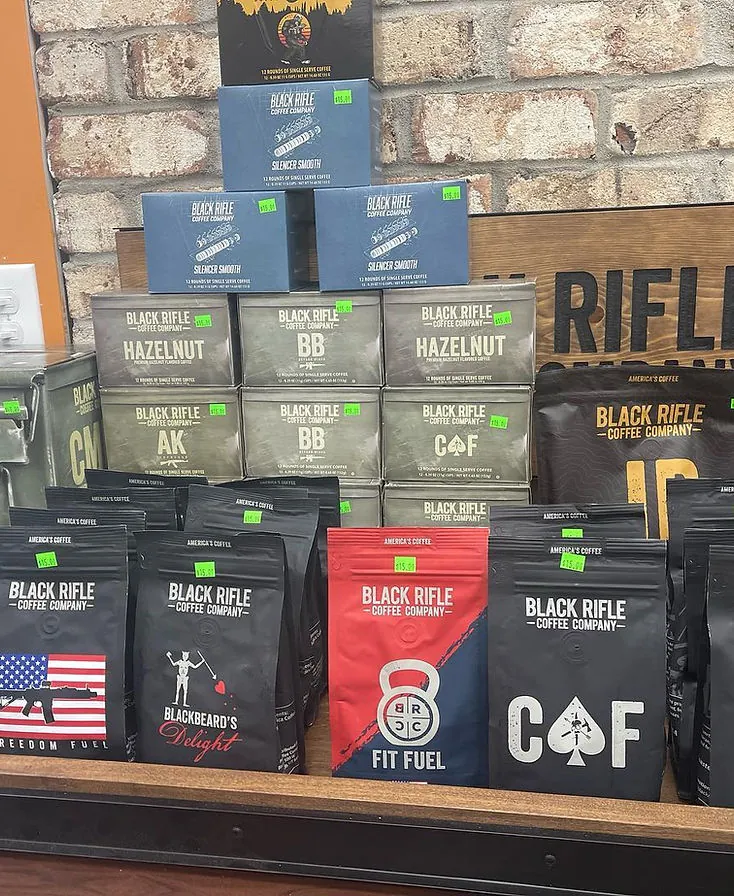
Stop Guessing What Something Is Worth — Price Comparison Is the Whole Game at Surplus Stores
Most people walk into a surplus store and assume the price tag is already a deal. Sometimes it is. But not always, and the gap between a genuine bargain and an overpriced leftover can be surprisingly wide if you do not check first.

Surplus stores move fast. Stock changes weekly, sometimes daily. What one location sells for $12, another might list for $7 or $22, depending on how they acquired it, how long it has been sitting, and how they priced their batch. That inconsistency is not a flaw in the system. It is just how surplus retail works, and it creates real opportunity for anyone paying attention.
Why Prices Vary So Much Across Surplus Listings
Surplus merchandise comes from a lot of different places: overstock from manufacturers, returned goods, liquidation lots, government auctions, and shelf-pulls from big retailers. Each source carries different acquisition costs for the store, and those costs get reflected in what you see on the shelf or in the listing.
One store might have bought 500 units of the same tool brand directly from a factory closeout. Another picked up 20 units from a retail return lot. The second store paid more per unit and priced accordingly, even if the tools are functionally identical. Neither store is being dishonest. They are just working with different numbers.
And honestly, this is the part that surprises most first-time surplus shoppers. Same item, same condition, two prices that are $15 apart. It happens constantly.
With 328+ verified listings on Surplus Store Finder, you have enough options in most regions to spot these gaps before you commit to a buy. That range matters. It gives you a real sample size, not just one or two data points.
How to Actually Compare Before You Go
Pull up several listings for stores in your area before you leave the house. Check what categories each one specializes in, because a surplus store focused on tools will usually have better prices on tools than a general liquidation store that carries a bit of everything. Category focus tends to mean better sourcing relationships and lower per-unit costs.
Write down a short list of items you want. Not a wish list. A specific list, with rough price anchors from retail if you can find them. That retail number is your ceiling. Anything below 40-50% of retail at a surplus store is usually solid. Below 25% is worth a second look to confirm condition, but do not walk away from it automatically.
Call ahead if you're targeting something specific. Surplus stores are not like regular retail. Inventory is not always tracked online in real time, and a quick phone call can save you a wasted trip. Most of these places are happy to tell you if they have something in stock right now.
Wait, that is not quite right. Some surplus stores do maintain updated online inventories, especially larger liquidation operations. But it is still worth calling if the item matters enough to drive for.
What to Look for When Prices Seem Too Low or Too High
A price that looks too good is not always a red flag. Sometimes a store just moved a big lot and needs to clear shelf space fast. But it is worth asking one simple question: why is this priced here? If the staff can tell you where the batch came from, that is a good sign. Transparent sourcing usually means honest pricing.
On the other end, a high price at a surplus store does not mean the item is premium. Some stores price based on original retail tags still attached to the product, without adjusting for the fact that it is now secondhand merchandise sitting in a warehouse bin. You can end up paying near-retail for something that has been handled, returned, and repackaged once or twice already.
Check the ratings when you browse listings on Surplus Store Finder. An average of 4.5 stars across verified stores tells you that most of these operations are running honestly, but individual ratings will show you where shoppers have flagged pricing concerns specifically. Those comments are worth reading, not just the star number.
Condition matters as much as price. A $9 item in rough shape might be a worse deal than a $14 item that is genuinely clean and functional. Factor that in when you compare.
Building a Simple Habit That Pays Off Every Time
Price comparison does not need to be complicated. It needs to be consistent.
Before any surplus run, spend five minutes looking at two or three listings for stores near you. Note their specialties, their recent ratings, and any posted sales or featured lots. That five minutes will tell you where to go first and what price range to expect when you get there.
After a few trips, you start building a mental map of who prices aggressively and who tends to run a little high. Some stores are reliably cheap on electronics but overpriced on tools. Others are the opposite. Once you know that about your local surplus stores, you stop wasting time and start buying smarter.
Surplus Store Finder exists to make that pattern-building faster. Use the listings the way they were meant to be used: side by side, not one at a time. That comparison habit, simple as it sounds, is what separates the people who find great deals from the ones who just get lucky occasionally.
Go in with numbers in your head. Leave with something worth buying.