Surplus Store Showdown: Online Shopping vs. Local Finds — A Real Comparison for Smart Shoppers
You've been burned before. Maybe you ordered a "pallet of mixed electronics" from an online liquidation site, paid $200 in shipping, and got a box of cracked phone cases and three broken printers that smelled faintly of mildew. Or maybe you drove across town to a local surplus store, got there right when it opened, and the one item you actually needed had sold the day before. Both situations are genuinely frustrating, and they happen all the time to people who are trying to shop smart on a budget. This guide is here to cut through the noise and give you a straight, honest comparison of online surplus shopping versus walking into a physical surplus store, so you can stop guessing and start buying with confidence.

Why Surplus Shopping Is Having a Moment Right Now
Surplus stores have always existed on the edges of mainstream retail, the kind of places where savvy shoppers find $400 tools for $60 or government-issued gear that would otherwise sit in a warehouse forever. But something shifted in the last few years. Inflation pushed more people toward budget-conscious buying. A wave of retail store closures created a flood of returned and overstock goods. And reselling became a genuine side hustle for millions of people who figured out that someone else's returned Amazon order could be their next eBay listing.
Overstock, liquidation, government surplus, returned goods, these four categories are the backbone of what surplus stores offer. Each one has a different origin and a different risk profile. Overstock is usually clean and unused; it just didn't sell fast enough. Liquidation can be anything from pristine items to genuine junk. Government surplus is often durable and high-quality (think military-grade tools and vehicles), but condition varies. Returned goods are the wildcard, sometimes the item was opened, tested, and returned in perfect shape, and sometimes it was returned because it broke on the first use.
And now there are two very different ways to access all of this: online platforms that list thousands of lots at once, or your local surplus store where you can walk the aisles and actually touch the stuff. Neither option is universally better. What matters is knowing which one fits your specific situation.
Understanding Where Surplus Stores Actually Cluster
Our directory currently lists 223 surplus businesses across five major cities, with an average customer rating of 4.5 stars. That average alone tells you something important: people who shop at these places and leave reviews are largely happy. That challenges the common assumption that local surplus stores are somehow inferior to the big online platforms.
Fayetteville leads with 6 listings. Columbus has 4. Houston, Las Vegas, and Jacksonville each have 3. At first glance that might seem random, but there's a clear pattern once you look at the geography. Fayetteville, NC is home to Fort Liberty (formerly Fort Bragg), one of the largest military installations in the country. Jacksonville, NC sits next to Camp Lejeune. These cities generate military surplus and attract buyers who know how to assess that gear. Columbus, GA is adjacent to Fort Moore (formerly Fort Benning). Houston is a massive logistics and freight hub where overstock from national distributors flows through constantly. Las Vegas has one of the highest retail return rates in the country, driven by tourism, convention trade, and high hotel turnover.
That concentration is not accidental. Surplus stores need supply chains, and supply chains follow military bases, freight corridors, and high-volume retail markets. If you live near one of these areas and have not checked out your local surplus options yet, you are genuinely missing out.
If you're within driving distance of a military town, a major port city, or a large distribution hub, your local surplus store options are probably better than average. Search our directory by city to see what's rated highest near you before assuming online is your only option.
The top-rated businesses in our directory are worth mentioning by name because they illustrate what's possible when a surplus store really commits to quality and customer experience. Drop Zone Military Surplus in Fayetteville, NC has a perfect 5.0 stars across 1,068 reviews. That is not a fluke. Getting over a thousand reviews and maintaining a 5.0 takes genuine consistency. Silverback Military Surplus, also in Fayetteville, holds 5.0 stars with 353 reviews. ARK Tactical Inc in Richmond, KY: 5.0 stars, 218 reviews. Gibsons Tactical Tavern in Columbus, GA: 5.0 stars, 123 reviews. HUSKY TACTICAL in Lakewood, WA: 5.0 stars, 113 reviews.
Five different businesses, five different cities, all at 5.0. That pattern matters.
Online Surplus Shopping: What You're Actually Getting Into
Platforms like B-Stock, GovPlanet, and Liquidation.com have changed the surplus buying world in real ways. You can sit at your kitchen table at midnight and bid on a pallet of 200 returned power tools from a national retailer, compare lot manifests, read seller ratings, and know the approximate original retail value before you spend a dollar. For a reseller who knows their market, that kind of access is genuinely powerful.
Volume is the big draw. Online surplus platforms list thousands of lots at any given moment, from categories that most local stores could never stock consistently. You want 50 returned laptops? A truckload of unsold seasonal apparel? Military-issue communications equipment from a government agency decommission? Online is almost certainly your only option for that kind of specific, bulk buying.
Price transparency is another real advantage. Most platforms show you bid history, average sale prices for similar lots, and seller feedback scores. You can research before you commit, which is not something you can always do when you're standing in a store aisle trying to decide if that pile of cordless drills is actually a good deal.
But here's where online surplus starts to get complicated. You cannot touch anything. "Grade B" condition on one platform is not the same as "Grade B" on another. One seller's "light cosmetic damage" is another seller's "cracked screen and missing battery door." Condition grading in this industry is notoriously inconsistent, and photos of lot contents are often representative shots, not actual photos of your specific lot. You might bid on a pallet based on images of clean, intact items and receive something that looks nothing like the listing.
Shipping costs can also quietly destroy your margins. A pallet from an online auction might cost $300 to buy, then $180 to ship, then another $40 in processing fees. Suddenly that "deal" is eating into whatever you planned to make on resale. Individual shoppers who are not reselling in volume get hit especially hard here because they can't spread those shipping costs across dozens of items.
1. Calculate your total landed cost: bid price + buyer's premium + shipping + any required pickup fees.
2. Read the lot manifest carefully; look for phrases like "untested," "as-is," or "no returns."
3. Check the seller's feedback score, especially negative reviews that mention misrepresented inventory.
4. Know your floor price before you bid, what's the minimum you need to make this worth it?
5. If buying electronics, always look for the return/dispute policy before bidding. Many platforms have very short dispute windows.
Returns are another sticking point. Most online surplus platforms have strict "all sales final" policies, or they require you to file a dispute within 48 to 72 hours of delivery with photographic proof of every misrepresented item. If you buy a 200-piece pallet, photographing and documenting every problem item inside that window is a real time commitment. A lot of buyers skip this step and just absorb the loss, which is exactly what less scrupulous sellers count on.
Online surplus works best for resellers buying in volume, shoppers in rural areas without local options, and buyers hunting for specific government or military equipment that simply does not show up in physical stores. If that's you, platforms like GovPlanet (heavy equipment and government vehicles) or B-Stock (consumer retail returns from name-brand retailers) are worth learning properly.
Local Surplus Store Shopping: The Real Thing
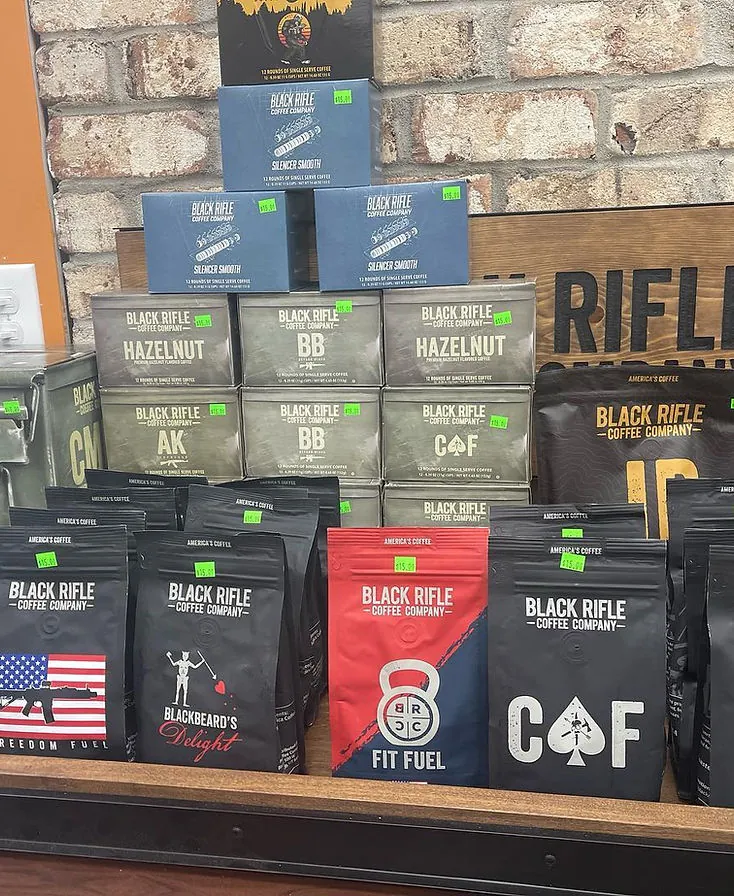
Walking into a good local surplus store for the first time is a genuinely fun experience. It smells like old canvas and machine oil and possibility. Shelves are stacked with stuff that doesn't fit any single retail category. You might find a $15 set of brand-new camping cookware three feet away from a display case full of vintage military patches and a rack of returned Carhartt jackets. There's a particular energy to browsing these places that no website can replicate.
And that hands-on experience is not just fun. It's functionally important. You can pick up a jacket and check the zipper. You can test whether a flashlight actually turns on. You can look at a pair of boots and know immediately whether the soles are delaminating. All of that due diligence that takes hours of research and dispute filings online gets done in about 30 seconds when you're standing in the store.
No shipping costs. No waiting. You buy it, you take it home that day. For casual shoppers, people who are buying for personal use rather than resale, this is often the better value even if the price per item is slightly higher than an online bid.
Local surplus stores also tend to build genuine community relationships over time. That 4.5-star average across 223 directory-listed businesses reflects real repeat customers who trust specific stores and come back consistently. Drop Zone Military Surplus in Fayetteville maintaining a 5.0 across more than a thousand reviews doesn't happen without a loyal local following that keeps showing up and keeps telling their friends. That kind of trust takes years to build.
Now, the honest downsides. Inventory at a local surplus store is unpredictable by definition. What's on the shelf today is probably not there next week, and there is no guarantee the store will ever get another shipment of the same item. If you need 50 units of something for resale, you're almost certainly not finding that volume in a single visit to a local store. Selection is also geographically limited, obviously. If you're not near one of those military town or logistics hub clusters, your local options might be thin.
Hours can be inconsistent, too. A lot of small surplus stores are owner-operated, which means they may close early, take unannounced days off, or shift hours seasonally. Call ahead. Seriously, call ahead. Nothing is more annoying than driving 25 minutes to find a closed sign.
1. Cash, many smaller surplus stores offer better prices for cash buyers and some don't take cards.
2. A small flashlight for checking condition in dim aisles or checking electronics.
3. Your phone so you can quickly check resale values on eBay or Facebook Marketplace if you're buying to resell.
4. A reusable bag, some places charge for bags or don't have them at all.
5. Patience. Good surplus store shopping takes time. Budget at least an hour for your first visit.
One more thing about local surplus stores: the people who work there usually know their inventory in a way that no online platform's algorithm can match. Ask the person at the counter when new shipments come in, what categories they tend to get, and whether they hold anything for regulars. A lot of the best finds at these stores never even make it to the public floor before a regular customer snags them. Build a relationship, and you'll shop better.
On a related note, if you're a budget-conscious shopper who likes finding deals on everyday essentials beyond surplus goods, salvage grocery options in your area can apply the same discount-hunting mindset to food and household staples, worth checking if you haven't already.
Side-by-Side: The Actual Comparison
Here's the head-to-head breakdown across the criteria that matter most for real buying decisions.
| Criteria | Online Surplus | Local Surplus Store |
|---|---|---|
| Inventory Size | ⭐⭐⭐⭐⭐ Massive | ⭐⭐⭐ Limited but curated |
| Item Inspection | ⭐ Photos only | ⭐⭐⭐⭐⭐ Full hands-on |
| Price Transparency | ⭐⭐⭐⭐ Bid history visible | ⭐⭐⭐ Fixed prices, no comparison |
| Total Cost (incl. shipping) | ⭐⭐ Can be high for small orders | ⭐⭐⭐⭐⭐ No shipping ever |
| Volume / Bulk Buying | ⭐⭐⭐⭐⭐ Purpose-built for pallets | ⭐⭐ Rarely available in volume |
| Risk of Misrepresentation | ⭐⭐ Real risk, inconsistent grading | ⭐⭐⭐⭐⭐ You see what you get |
| Return Policy | ⭐ Usually all-sales-final | ⭐⭐⭐ Varies by store |
| Best For | Resellers, bulk buyers, rural shoppers | Personal use, casual shoppers, deal hunters |
| Community Trust / Ratings | ⭐⭐⭐ Platform-dependent | ⭐⭐⭐⭐⭐ 4.5 avg across 223 listings |
Local surplus stores win on experience and trust. Online platforms win on volume and access. The right answer depends entirely on what you're buying and why.
How to Decide: A Framework for Real Shoppers
Stop overthinking it. Here's a simple way to figure out which approach fits your situation.
Go online if: You're buying to resell and need consistent volume. You're in a rural area with no local options. You need specific military, government, or industrial equipment that doesn't turn up locally. You're comfortable doing your research, reading manifests carefully, and absorbing some risk in exchange for potential upside.
Go local if: You're shopping for personal use and want to know exactly what you're getting. You hate paying shipping. You enjoy the hunt and